Enter your email to view this content
What, exactly, is an atmospheric river?
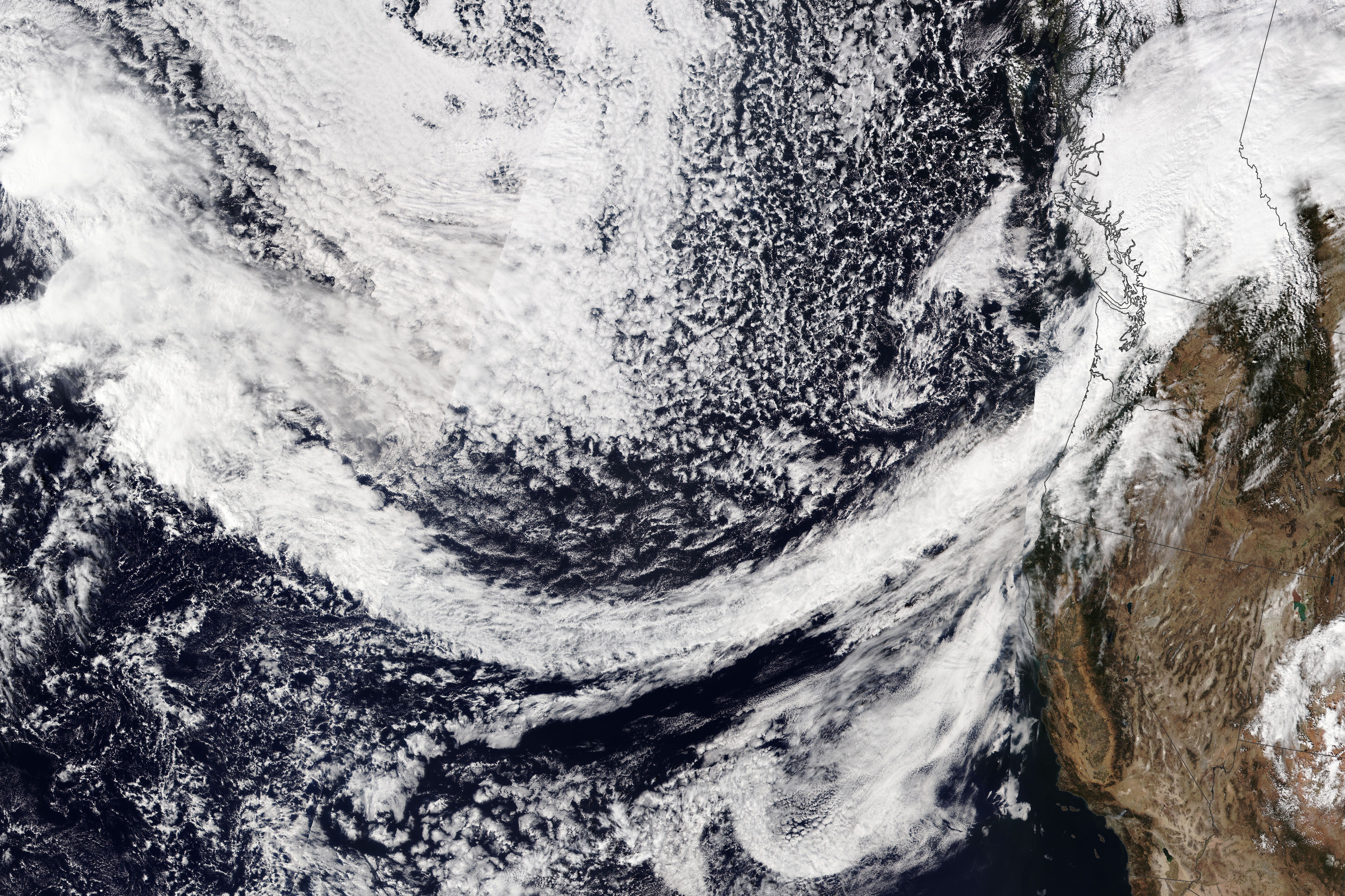
An atmospheric river is a long, narrow band of concentrated moisture that transports tremendous amounts of water vapor from tropical or subtropical regions toward landmasses. When they make landfall, the moisture-laden air is pushed upwards by mountains, cooling and condensing to produce heavy rain, snow, and winds.
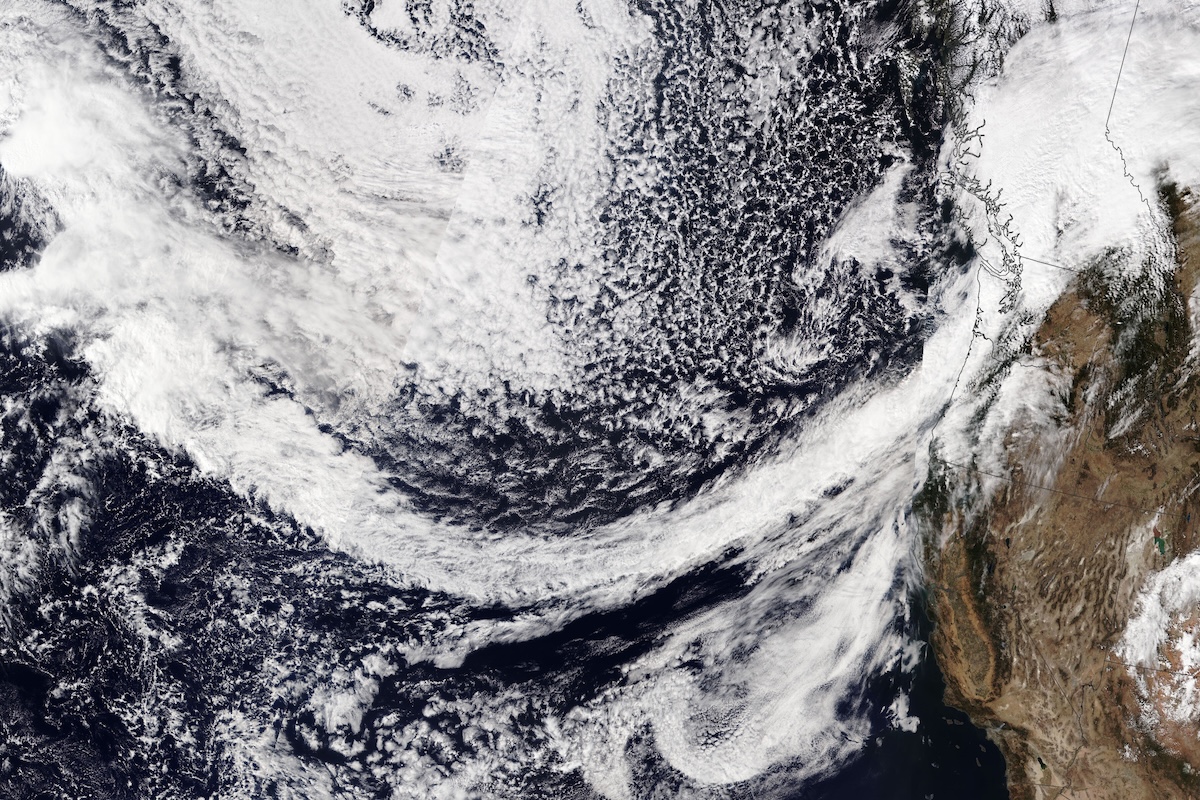
A single atmospheric river can carry more water than the Mississippi and Amazon rivers combined. In West Coast states (like Washington, Oregon, and California), they can cause flooding, rapid snowpack gains, and mudslides.
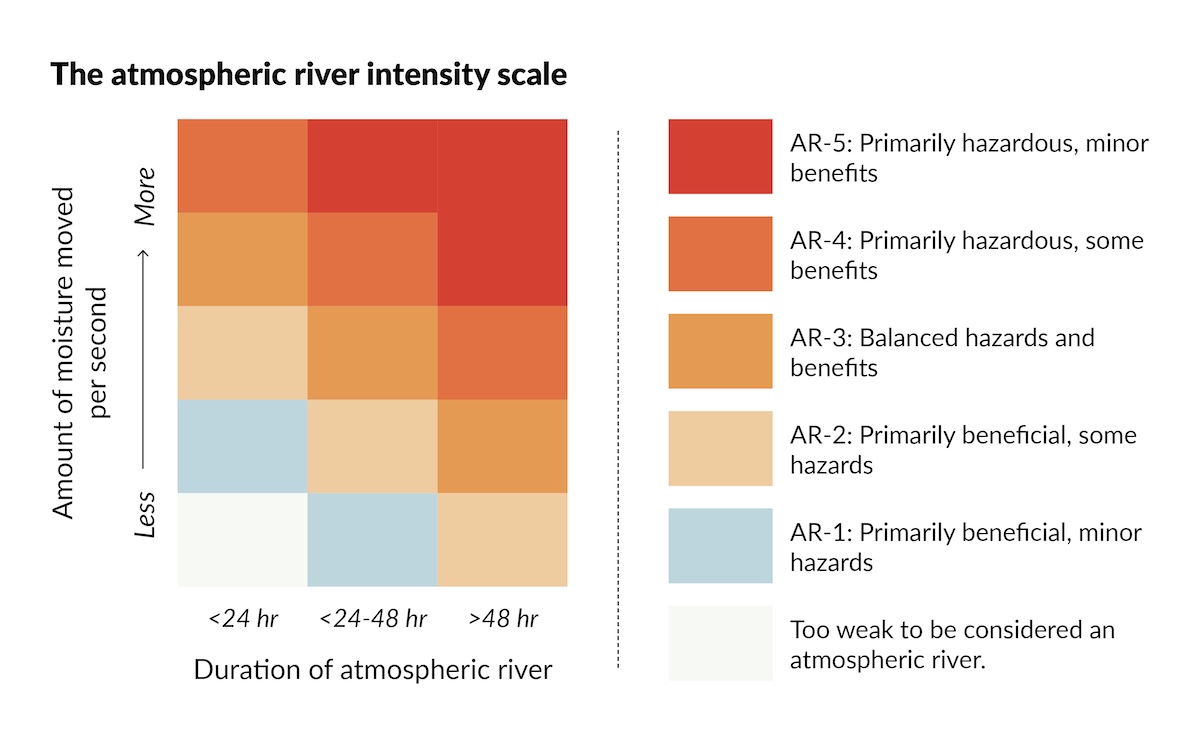
To help rank storms and their potential impacts, an intensity scale has been developed from AR-1 to AR-5 (with AR-5 being the most intense) based on how long the atmospheric rivers last and how much moisture they transport.
Stormwater Treatment Impacts & Pitfalls
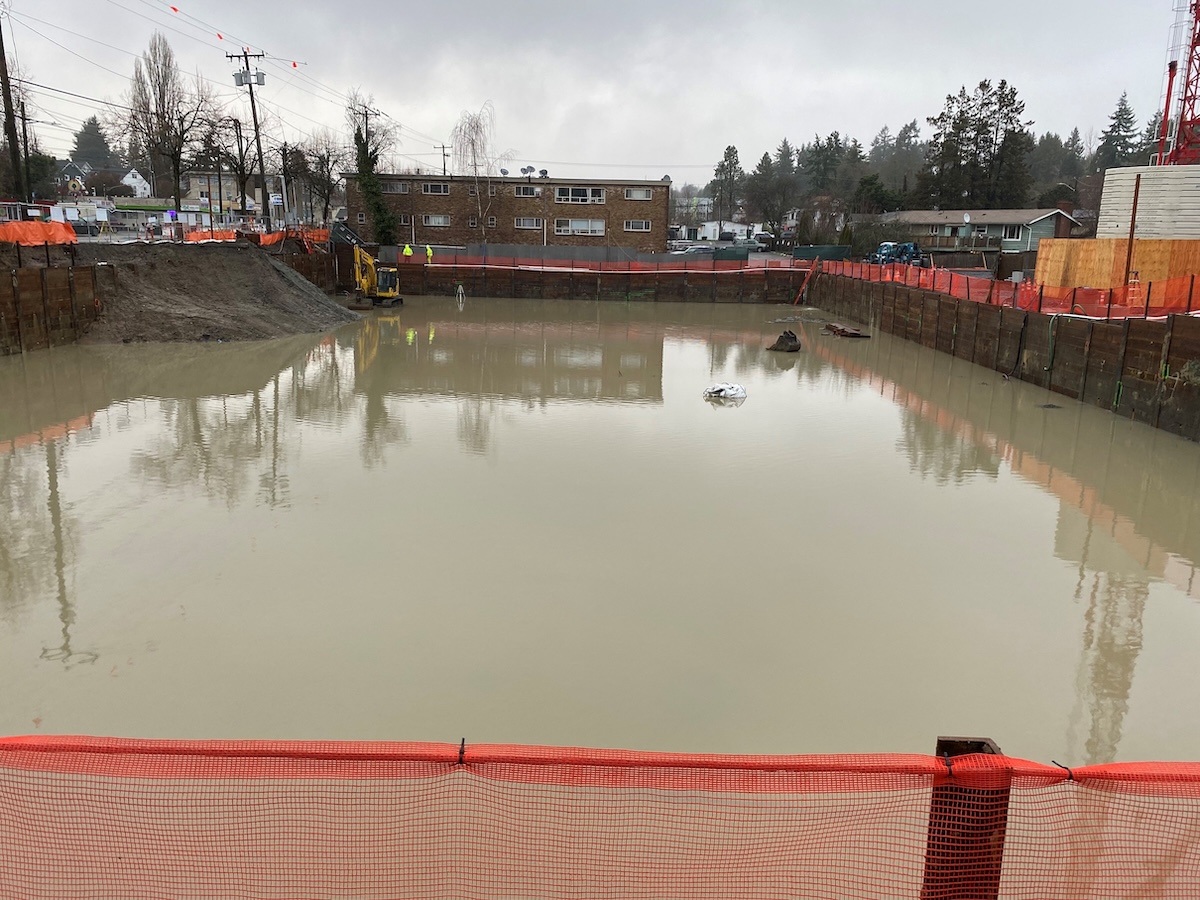
Atmospheric rivers are an important and normal part of the global water cycle and are crucial for replenishing water supplies and providing drought relief, but they can create stormwater challenges and heavy water treatment demands, especially as storm intensities increase.
What to watch for:
Rapid Flow Surges - Systems designed for normal operating volumes may be vulnerable during peak storm events.
Increased pollutant loads - Large rainfall mobilizes sediments, oils, and organics that accumulate during drier periods, causing sudden spikes in TSS, turbidity, and contaminants, and rapidly changing treatment demands.
Infrastructure stress - Flooding around treatment systems can damage equipment and electrical systems, and erode discharge areas, swales, and outfalls.
Sampling and Monitoring Challenges - Permit triggers often require sampling during qualifying storm events. Data can fluctuate hourly during heavy rain events, complicating treatment and reporting. If the site is not properly prepared, there can also be safety and accessibility hurdles that prevent proper sampling.
What You Can Do
Create strategic advantages by working with a high-quality and responsive treatment provider to ensure your site stays safe, operational, and compliant during repeat high-volume events. Careful preparation, deployment, and operations provide a safety net for suboptimal conditions.
Automated controls and remote telemetry:
Automated controls can test and recirculate out-of-spec water during heavy loads, and remote monitoring provides peace of mind, allowing remote operators to monitor multiple systems simultaneously 24/7.
Treatability testing to optimize dosing curves:
Proper testing of site water under various contaminant loads sets up a playbook of pre-tested response methods, allowing operators to pivot and respond quickly to changing conditions.
Modular, scalable systems with rapid response:
If conditions change and new patterns emerge, a scalable system allows for quick changes and upgrades to handle new challenges without the time and expense of resetting to zero. Planning should include standby treatment capacity, deployable equipment for emergency high flows, and site flood-mitigation controls to avoid overflow or bypass conditions.
Forecasting protocols:
Experienced treatment professionals monitor weather systems and prepare systems for inclement weather before it becomes a problem.
Going with the Flow
Atmospheric rivers are ultimately an unavoidable part of West Coast living, and a stress test for any stormwater management protocols. Sites that can rely on data-driven planning and adaptable treatment strategies like Clear Water’s are far better positioned to stay compliant and minimize risk during storms. By combining forecasting expertise with automated controls, proven treatability testing, and scalable system design, our stormwater professionals can turn challenging weather from a liability into a manageable, predictable part of operations.
With the right partners and protocols in place, even the strongest atmospheric rivers become conditions you’re ready for, not surprised by.