Enter your email to view this content
Controlling Oil and Dissolved Contaminants Before They Reach the Drain
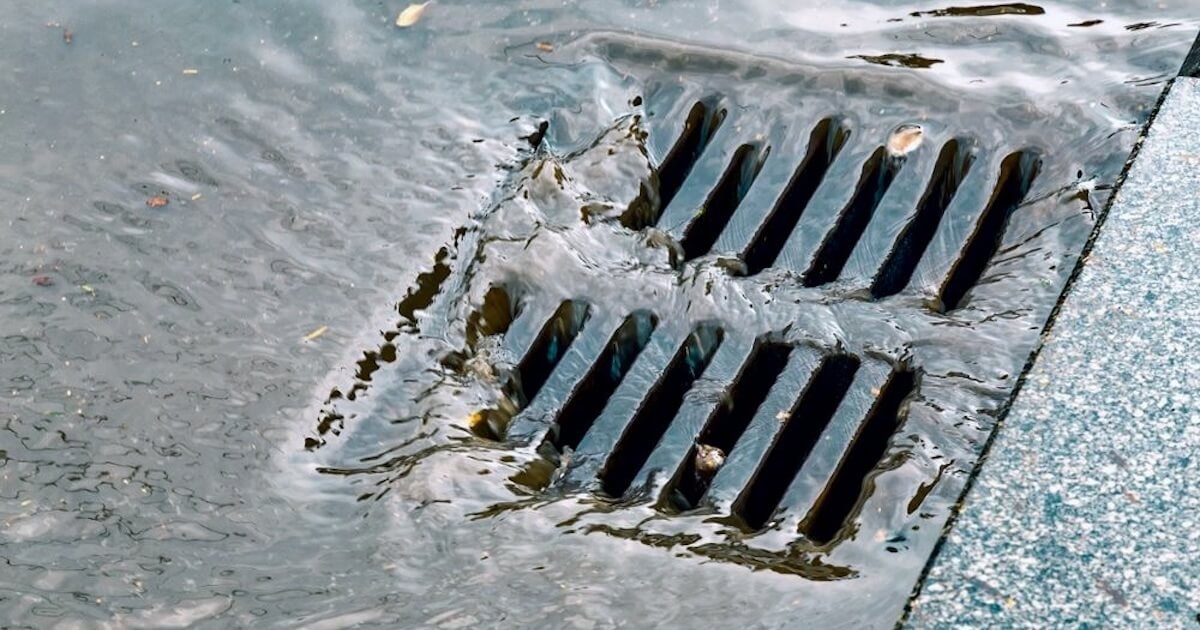
Stormwater doesn’t wait for permission. It moves fast, picks up whatever is available, and carries it toward the lowest point on a site: the drain system. By the time water reaches that point, it has already made a journey through surfaces, residues, leaks, and micro-contamination that rarely announces itself. In industrial environments, two of the most persistent problems travel especially well: free and emulsified oils and dissolved hydrocarbon compounds. Neither behave like sediment. Neither respond well to “block and catch” thinking. Neither should be allowed to reach a drain in the first place. This is where BMP strategy shifts, not toward treatment after the fact, but interception before conveyance.
Oil control starts where it’s generated
One of the most common design mistakes in stormwater systems is assuming the drain is the control point. By the time runoff reaches a drain, it has already pooled in low spots, passed through operational areas, and picked up surface hydrocarbons from equipment zones or storage areas. So effective oil BMPs focus upstream at the points where oil actually enters the system.
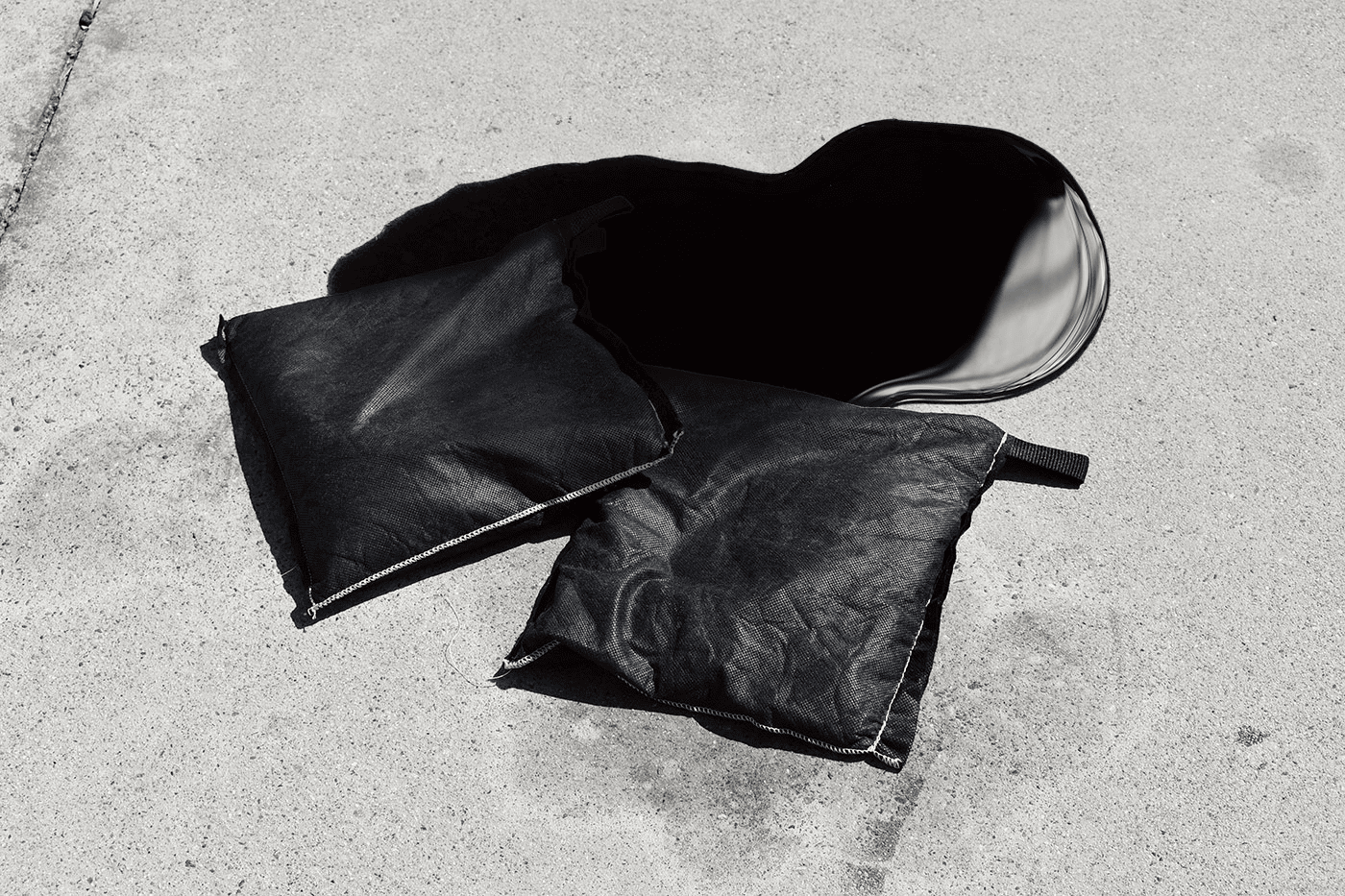
Oil Pillows
Oil pillows are deployed where oil is still behaving like oil; floating, separable, and physically present at the surface. Usually places like containment areas, sumps or sumps-adjacent zones, or low-flow collection points before stormwater enters drainage infrastructure. Their job is to remove free-phase hydrocarbons before they mix, emulsify, or migrate downstream. Once oil breaks into finer phases, physical separation becomes significantly less effective, which is why timing matters more than placement.
When Oil Stops Behaving Like Oil
The real complication in stormwater systems isn’t visible spills. It’s what happens after initial contact:
- agitation from flow
- mixing with sediment and surfactants
- partial emulsification into water columns
At that point, oil is no longer a surface problem. It becomes a transported contaminant embedded in flow. That transition is where most simple BMPs stop working.
Carbon Sock Control
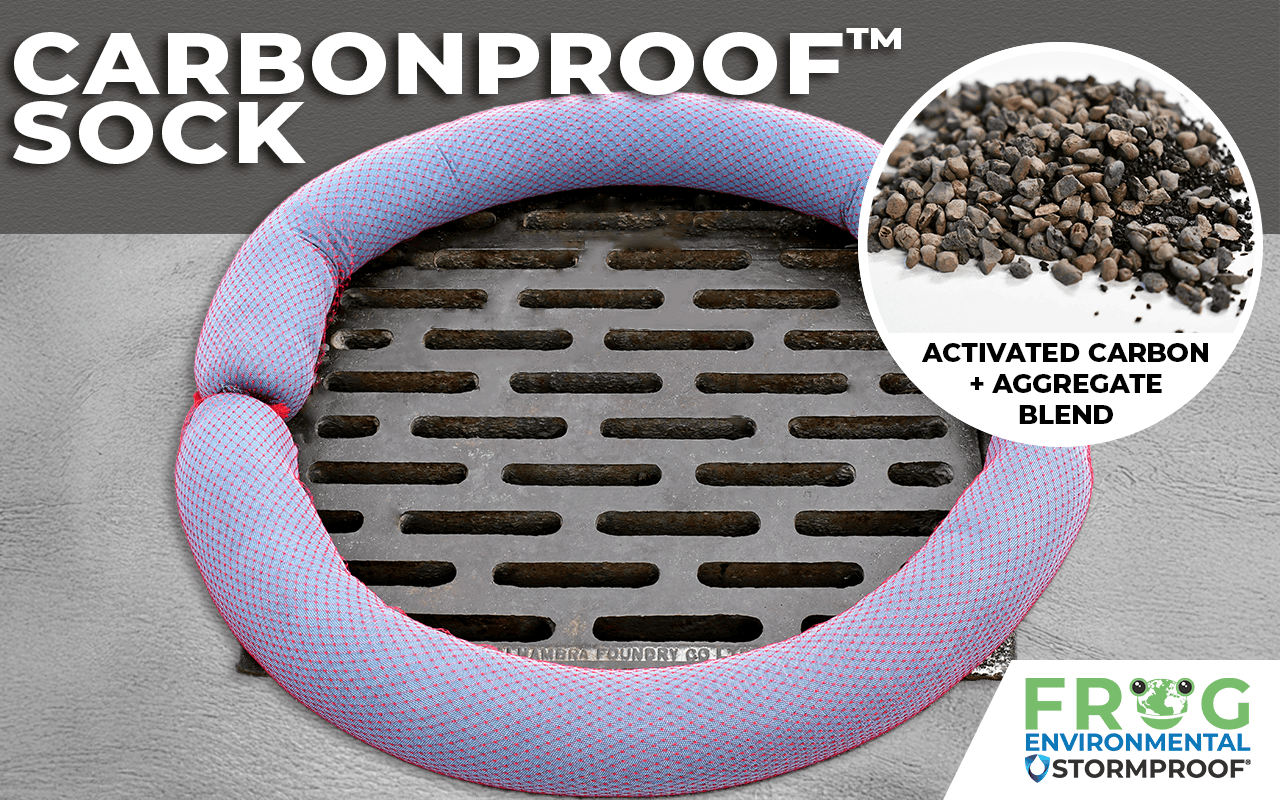
Once runoff reaches a defined entry point like a storm drain, control shifts from site-wide interception to point-of-entry treatment. Carbon socks are designed for this interface.
They operate by exposing flow to activated carbon media, targeting:
- dissolved hydrocarbons
- residual oil fractions
- low-concentration organic contaminants that bypass physical controls
This is not a bulk capture system, it is a final filter at the moment water enters the conveyance network. At this stage, contaminants are no longer visible or separable by simple means—they are chemically distributed in the water itself.
"Before The Drain” vs “At The Drain”
The strongest BMP systems are not defined by what they catch at discharge points. They are defined by what never reaches them.
Oil control works best when it is:
- intercepted at surface accumulation points
- reduced before flow becomes concentrated
- filtered before entering enclosed conveyance systems
Once contaminants enter storm drains, options narrow quickly. Flow becomes confined, access is limited, and treatment becomes reactive instead of preventative. That is why upstream oil interception and inlet-level carbon treatment work best as a paired strategy. Not as backup systems, but as preventative layers.
Interception Beats Correction
A properly designed oil and carbon BMP strategy is not about treating polluted water efficiently. It is about preventing polluted water from ever becoming a transport problem. That means free-phase oil is removed where it first accumulates, mixed-phase contaminants are intercepted before channelization, and dissolved residues are captured at the first engineered entry point. Each layer reduces what the next layer has to handle. Ideally, the drain is no longer a treatment challenge at all, and is simply a conveyance point for already-managed water.
The Drain Is NOT The Problem
In industrial stormwater systems, drains are often treated as the control point. But they are better understood as a constraint or a deadline. By the time water reaches them, the system has already either succeeded or failed upstream. Oil pillows and carbon socks don’t exist to “fix drains"; they exist to ensure drains never become the first place where the system has to make a decision about water quality.
Final Thought
Oil behaves differently depending on where it shows up, carbon media only performs when it’s matched to the right flow conditions, and even the best tools fail when they’re placed out of sequence. That’s where we come in. We help translate site conditions into a working BMP strategy by matching the right controls to the right stages before contaminants ever reach the drain. From surface interception to inlet-level polishing, our goal is simple: build systems that actually reflect how water moves.