Enter your email to view this content
BMP DEEP DIVE VOL. 4
STOP THE BLOOM BEFORE IT STARTS

When most industrial facilities think about stormwater pollutants, metals, sediment, and oils usually come to mind first. But another category (nutrients like nitrogen and phosphorus) is increasingly under scrutiny.
These invisible pollutants fuel algae blooms, reduce oxygen in waterways, and can quickly push runoff samples past IGP benchmarks. Even trace amounts from fertilizers, landscaping, or organic debris can trigger compliance issues.
Why Nutrients Are a Hidden Stormwater Threat
Nutrients are essential for plant growth, but when they leave your site in stormwater, they become a regulatory problem. In waterways, nitrogen and phosphorus encourage algae growth, cloud water clarity, and deplete oxygen levels — creating “dead zones” that harm aquatic life.
At the industrial site level, nutrient-rich runoff signals poor source control and insufficient BMP maintenance, which regulators notice immediately. Left unchecked, these pollutants can escalate into benchmark exceedances or corrective actions.
Common Nutrient Sources at Industrial Sites
Even sites that don’t apply fertilizers directly can contribute nutrients through:
- Landscaped or green areas: Over-fertilization, trimming, or soil erosion near drains.
- Organic waste: Grass clippings, leaves, mulch, or food residues on paved surfaces.
- Soil and dust: Fine sediments containing phosphorus that wash into drains.
- Process water or washdown areas: Residues carrying dissolved nutrients.
- Run-on from neighboring properties: Adjacent sites may contribute nutrient-rich runoff.
Understanding these sources allows facilities to place BMPs strategically to capture pollutants before they leave the site.
Why Regulators Are Watching
Total Nitrogen and Total Phosphorus are often monitored alongside metals and TSS under the Industrial General Permit (IGP). Even small exceedances can trigger Level 1 or Level 2 corrective actions, leading to additional sampling, reporting, and potential treatment upgrades.
Unlike sediment or oil, nutrients often exist in dissolved form, meaning standard BMPs like sediment traps or oil absorbents won’t capture them effectively. Facilities need nutrient-specific controls to maintain compliance.
BMPs That Target Nutrients
Controlling nutrients requires a combination of source control, treatment, and ongoing maintenance:
1. Source Control BMPs
- Limit fertilizer near paved areas or drains.
- Sweep or remove grass clippings, mulch, and leaves.
- Cover or contain exposed soils and compost piles.
- Minimize dust and sediment transport from storage or loading zones.
2. Treatment BMPs
- Media Filters: Drain inserts or vault filters using activated alumina, zeolite, or biochar can capture dissolved nitrogen and phosphorus.
- Solid Flocculants: Polyacrylamide blocks or granular flocculants bind fine sediments and nutrients, making them easier to settle or filter out.
- Vegetative Buffers & Retention Areas: Vegetation slows runoff, absorbs nutrients, and promotes natural settling before discharge.
3. Treatment Systems
For facilities with larger discharge volumes or repeated exceedances, full-scale stormwater treatment systems provide consistent, high-performance nutrient removal. These systems can include:
- Multi-stage filtration units that combine sediment, nutrient, and hydrocarbon removal.
- Continuous-flow clarifiers to settle fine particles and reduce total nitrogen and phosphorus levels.
- Automated flocculation chambers to bind dissolved nutrients and enhance downstream BMP efficiency.
Investing in a treatment system can reduce the load on smaller BMPs, ensure consistent compliance, and minimize the risk of repeated violations throughout the rainy season.
4. Maintenance BMPs
- Replace or clean filters regularly to ensure consistent performance.
- Inspect landscaped areas and soil stockpiles for nutrient runoff risk.
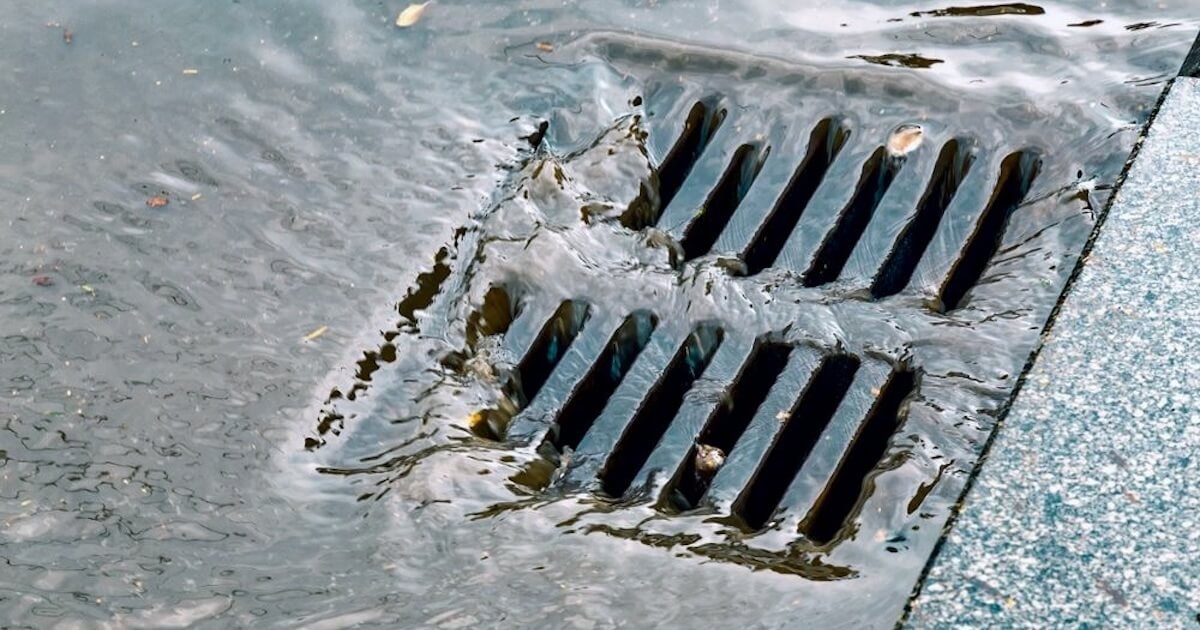
- Maintain catch basins and drains to prevent buildup of organic matter.
- Monitor QSE or sample results to identify trends and adjust BMPs proactively.
BOTTOM LINE
Nutrients like nitrogen and phosphorus are invisible but powerful stormwater pollutants. A little fertilizer, organic debris, or soil runoff can easily push samples out of compliance if not managed properly.
By combining source reduction, treatment BMPs, treatment systems, and regular maintenance, industrial facilities can:
- Reduce nutrient runoff and prevent exceedances
- Protect local waterways from algae blooms
- Maintain cleaner samples and stronger compliance records
- Avoid costly mid-season corrective actions
Don’t let fertilizers feed a violation. With the right BMPs and a comprehensive treatment system, your facility can stop the bloom before it starts and keep stormwater compliance on track all season long.