Enter your email to view this content
BMP DEEP DIVE VOL. 3
STOPPING THE SHINE BEFORE IT SPREADS
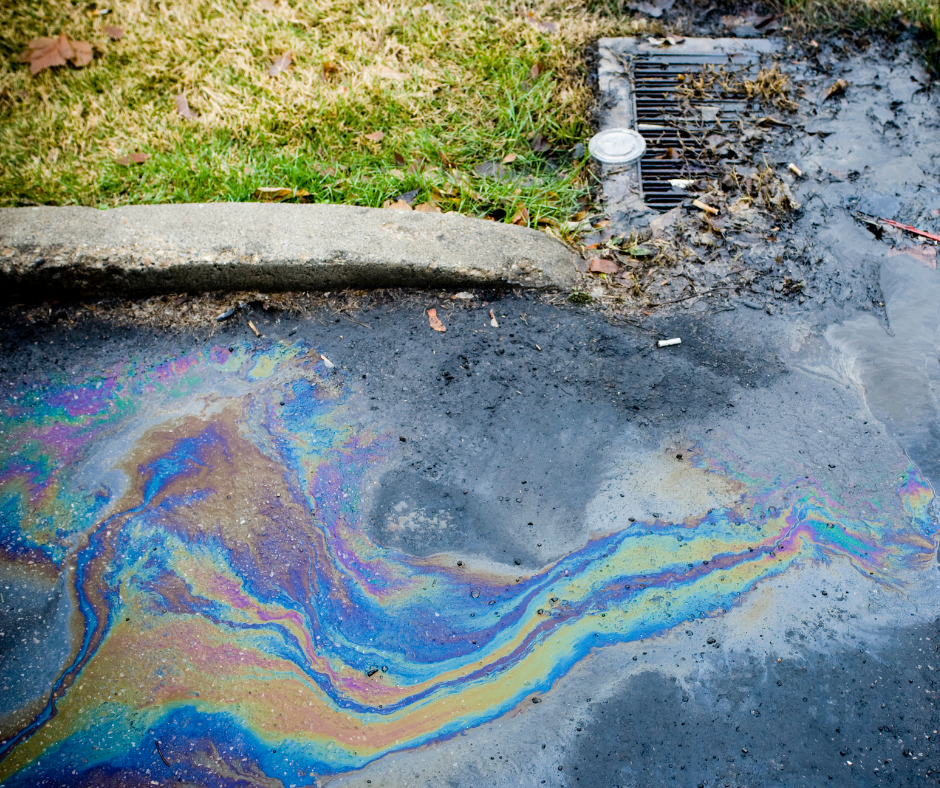
When most facilities think of stormwater pollutants, they picture sediment or metals. But some of the hardest contaminants to control (and the easiest to overlook), are hydrocarbons: oils, grease, and carbons that come from daily industrial activity.
Even small leaks or drips from vehicles, forklifts, or equipment pads can accumulate on paved surfaces. When runoff occurs, these hydrocarbons wash into drains, forming sheens, carrying fine particulates, and often binding with metals or other pollutants. Left uncontrolled, they can cause benchmark exceedances, increase turbidity, and compromise compliance.
WHY OIL & GREASE ARE SO PROBLEMATIC
COMMON SOURCES OF OILS, GREASE, AND CARBONS
Industrial sites have multiple potential hydrocarbon hotspots:
- Vehicle and equipment areas: Forklifts, trucks, and heavy machinery can leak oils and lubricants.
- Maintenance pads and fueling zones: Spills, drips, and overspray are common in these areas.
- Loading docks and storage yards: Residues from transported materials, lubricants, and equipment may accumulate on paved surfaces.
- Outdoor material storage: Exposed drums, containers, or chemical stockpiles can contribute to runoff if not contained.
- Stormwater pathways: Even clean-looking yard areas can carry oils in fine particulates that flow into drains.
By mapping these sources, facilities can strategically place BMPs to intercept pollutants before they leave the site.
BMPS THAT TARGET O&G AND CARBONS
An effective hydrocarbon control strategy includes containment, treatment, and preventive maintenance. Here’s what works best for industrial facilities:
1. Oil Absorbent Socks
Place socks around drains, fueling areas, and high-risk zones to capture hydrocarbons before they enter storm drains. Replace or clean them regularly to maintain effectiveness.
2. Drain Filters and Media Inserts
Specialized media, including activated carbon inserts, capture oils, grease, and fine particulates. These can be installed at catch basins or in stormwater outlets to remove pollutants efficiently.
3. Solid Flocculants with Carbon Media
Flocculants combine sediment and hydrocarbon control. They bind fine particles, promote settling, and adsorb oils, improving clarity and reducing pollutant concentrations in runoff.
4. Preventive Housekeeping
Routine sweeping, degreasing, and maintenance prevent hydrocarbons from accumulating on paved areas and equipment pads. Keeping the site clean reduces the total pollutant load entering stormwater.
5. Secondary Containment & Covered Storage
Ensure all oily materials, drums, and equipment are stored under cover or within secondary containment systems. Proper containment prevents accidental discharge during rainfall or routine operations.
6. Staff Training and Inspections
Employees should be trained to recognize leaks, spills, and residue buildup. Pairing staff awareness with regular inspections ensures BMPs remain effective throughout the rainy season.
MONITORING AND COMPLIANCE
Oils, grease, and carbons can directly impact benchmark results under the Industrial General Permit (IGP). Facilities should:
- Conduct visual inspections of stormwater discharge points and drains.
- Document BMP maintenance and replacement schedules.
- Monitor sample results for hydrocarbon-related parameters such as oil & grease, total suspended solids, and chemical oxygen demand (COD).
- Use monitoring data to adjust BMP placement and maintenance strategies proactively.
By integrating monitoring with BMP upkeep, industrial sites can maintain consistent compliance and reduce the risk of exceedances.
BOTTOM LINE
Oils, grease, and carbon-based residues are hidden threats in industrial stormwater. They’re persistent, pervasive, and capable of triggering exceedances even when your site appears clean.
By combining absorbents, drain media, flocculants, preventive housekeeping, containment, and staff training, facilities can:
- Reduce hydrocarbon discharge
- Keep stormwater samples clean
- Protect downstream water quality
- Maintain IGP compliance year-round
Hydrocarbon BMPs aren’t optional — they’re essential for a successful stormwater program.