Enter your email to view this content
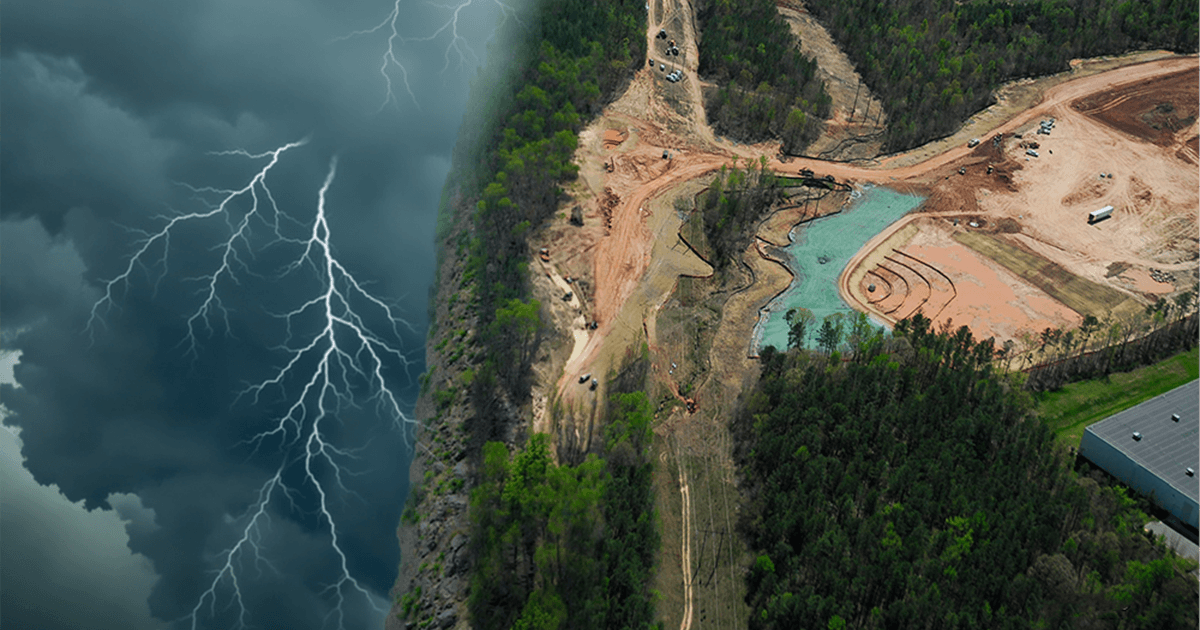
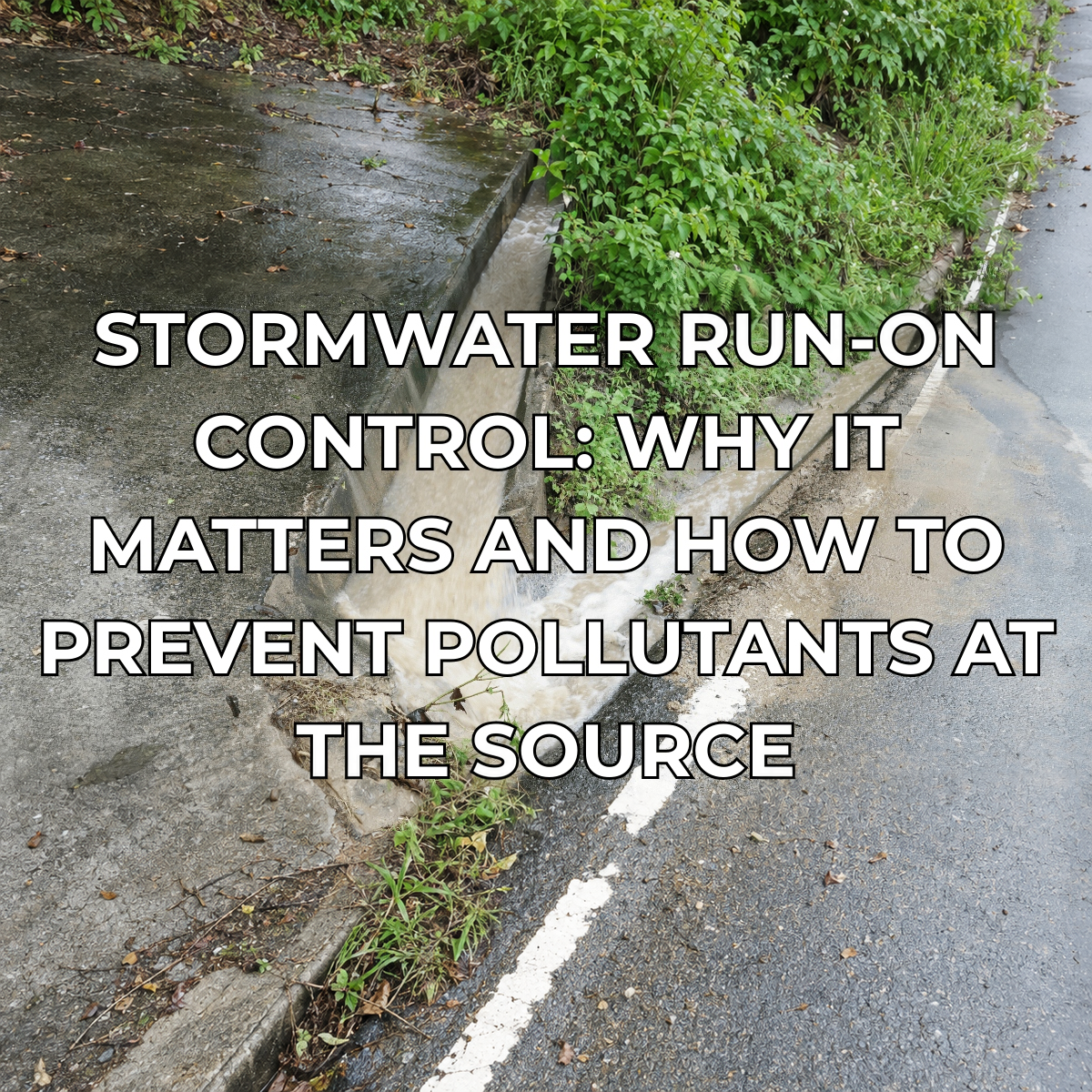
Industrial stormwater compliance discussions tend to focus on runoff leaving a facility, but what often gets overlooked is stormwater run-on: rainwater that enters a site from uphill or adjacent properties and then picks up pollutants before leaving the site.
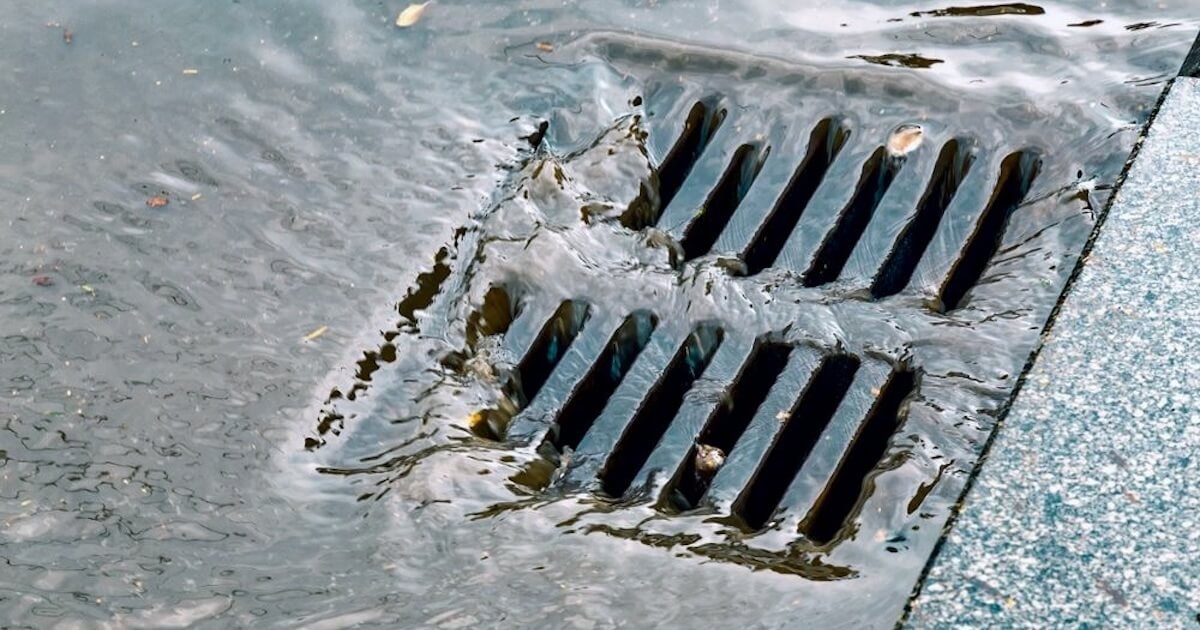
Stormwater run-on can silently undermine stormwater quality, overwhelm BMPs, and lead to unexpected exceedances especially during large or consecutive storm events.
In this blog, we’ll explain what stormwater run-on is, why it’s a compliance risk, and how facilities can design controls that keep clean water clean and reduce pollutant loading at the source.

What Is Stormwater Run-On?
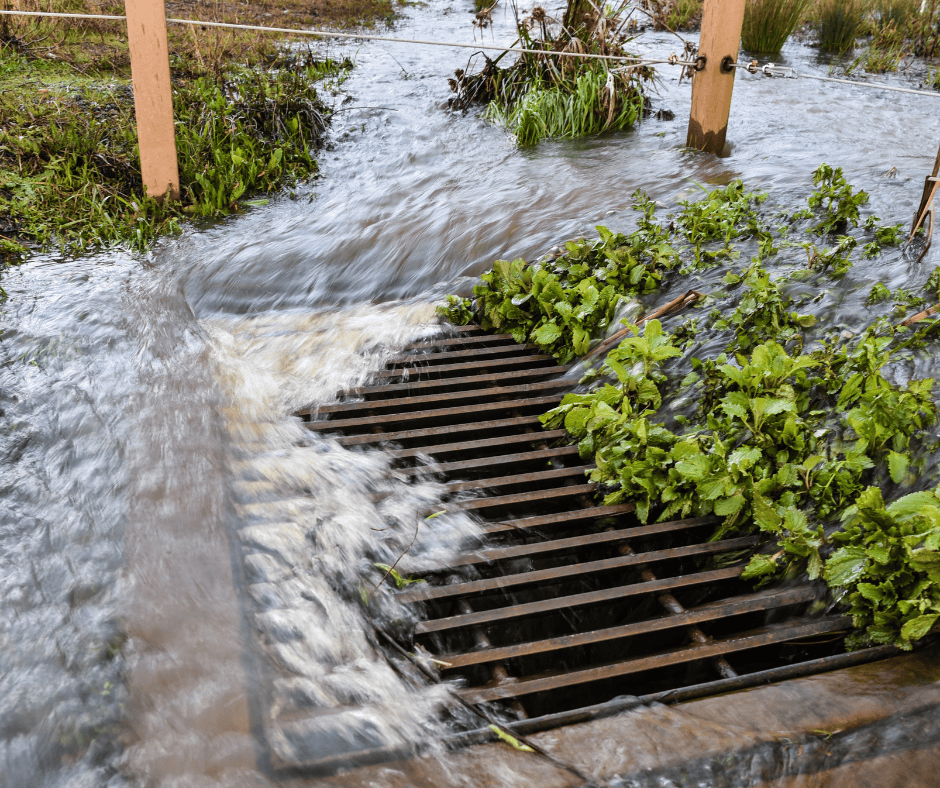
Stormwater run-on refers to rainfall that originates off-site and flows onto your property. Unlike on-site runoff, which you directly control through operations and BMPs, run-on introduces water (and potentially pollutants) from surrounding land uses.
Examples include:
- Runoff from adjacent paved surfaces
- Upslope dirt or undeveloped land
- Neighboring facilities with different activities
- Public roads or parking areas
When this off-site water enters your stormwater system, it may:
- Increase discharge volume
- Carry additional sediment, debris, or contaminants
- Reduce the effectiveness of your BMPs
- Confuse sampling results
Understanding and managing run-on helps you protect your stormwater quality before it mixes with your industrial discharge.
Why Run-On Is a Compliance Risk
Even if your internal processes and BMPs are operating correctly, run-on water can introduce pollutant loads that your system isn’t designed to treat. The result? Benchmark exceedances, drifting data trends, and frustrated compliance teams.
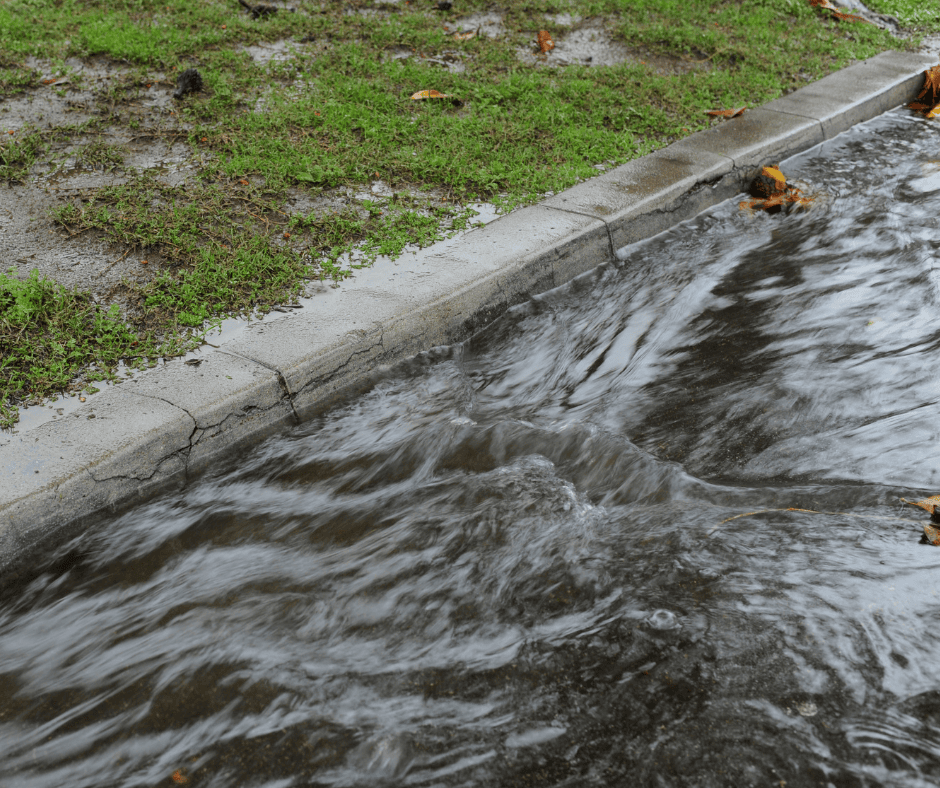
Key ways run-on impacts compliance:
1. Elevated Flow Volumes
Unexpected extra water can overwhelm BMPs designed for your site’s typical runoff volume, leading to bypass, reduced contact time, or ineffective treatment.
2. Hidden Pollutant Loads
Run-on can carry sediment, oils, nutrients, or contaminants that weren’t present in your on-site runoff stream. These unanticipated pollutants may show up in samples, making it harder to trace sources.
3. Sampling Interpretation Challenges
If run-on water mixes with your discharge during a Qualifying Storm Event (QSE), it may skew results and make it difficult to determine whether exceedances stem from on-site activities or off-site contributions.
Strategies to Control Stormwater Run-On
Controlling run-on is both a source control strategy and a way to improve BMP effectiveness. Here are actionable methods facilities implement successfully:
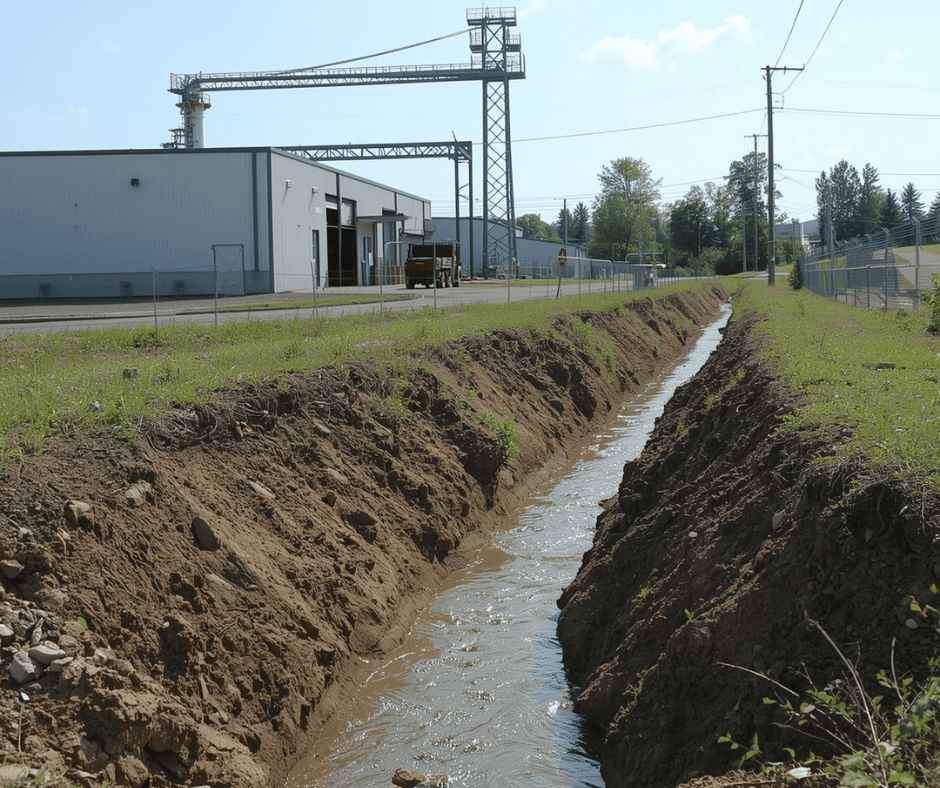
Redirect Clean Water Around the Site
One of the most effective run-on strategies is redirecting clean storms around industrial areas so that only site runoff enters treatment controls.
Tactics include:
- Constructing perimeter swales
- Adding grass channels or berms
- Rerouting adjacent off-site flow paths
- Installing compact diversion structures
These approaches reduce the volume of non-site runoff reaching your BMPs.
Improve Entrance Channel Controls
Often, run-on enters through site entrances or along property edges. Adding targeted controls can help capture pollutant loads before they spread:
- Energy dissipaters to slow flow
- Riprap check dams to capture coarse sediments
- Run-on interceptors at low spots
- Inlet protection devices on catch basins receiving run-on
These controls help force stormwater to slow, settle, and shed pollutants before entering your internal system.
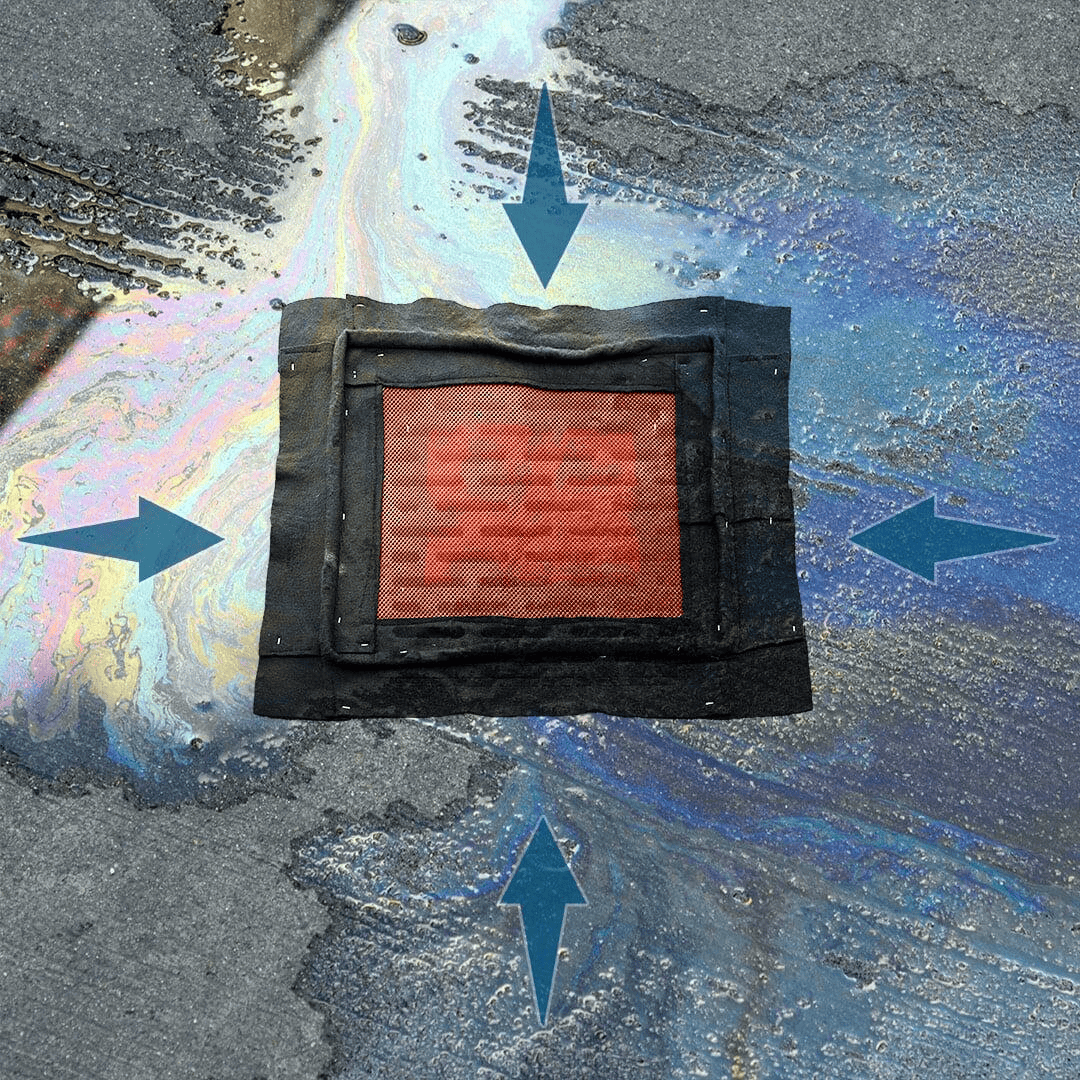
Combine Run-On Control With BMP Optimization
Controlling run-on doesn’t replace other BMPs, it enhances them.
Once run-on is minimized:
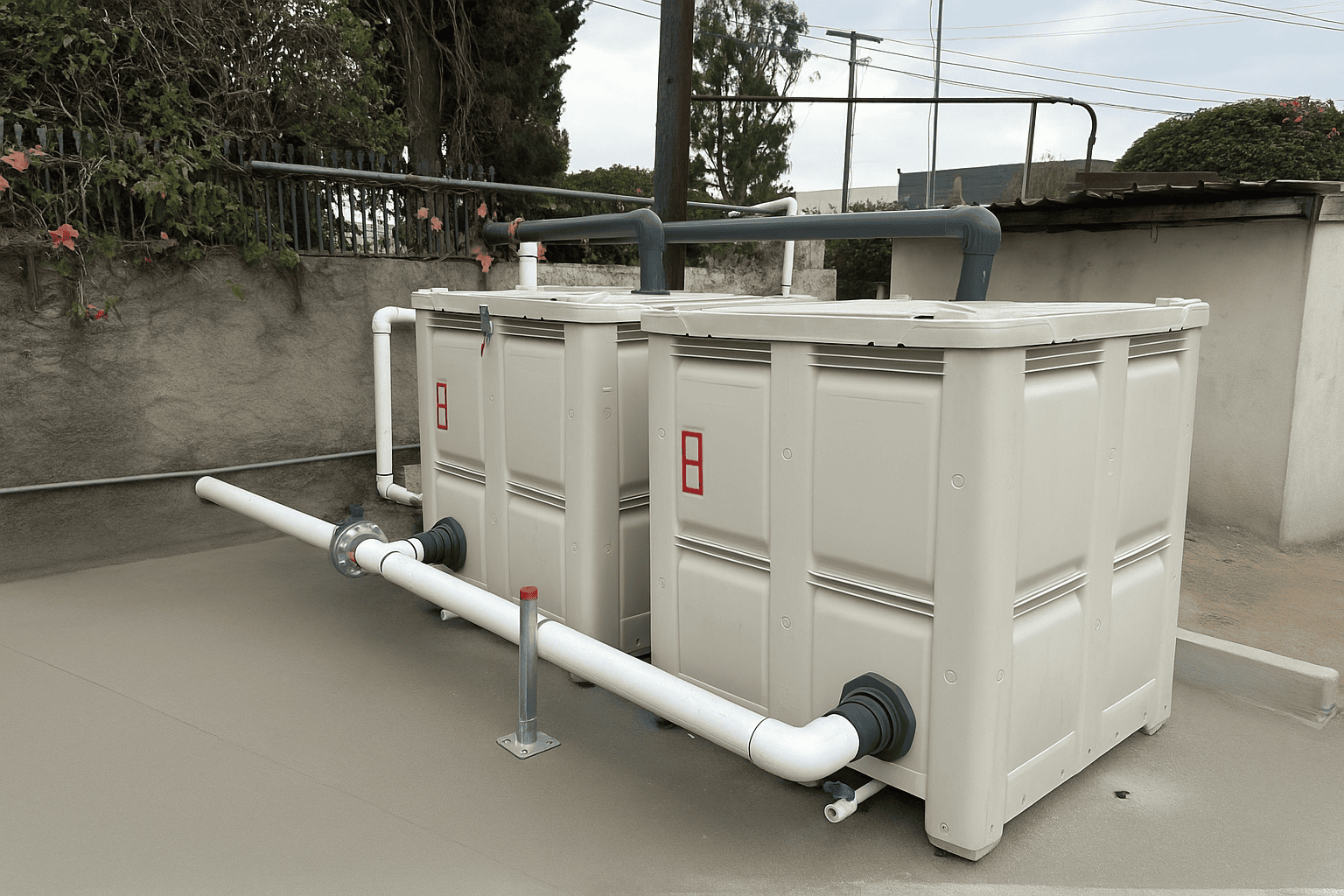
- BMPs like StormPROOF® treatment systems can treat site-specific runoff more effectively
- Sediment and debris loads are reduced, extending treatment media life
- Sampling results reflect your facility’s performance rather than off-site influences
By investing in both run-on reduction and BMP performance, facilities see more reliable compliance outcomes.
Design Considerations Based on Site Flow Patterns
Every site is different, and run-on control should be too.
Helpful steps in run-on planning include:
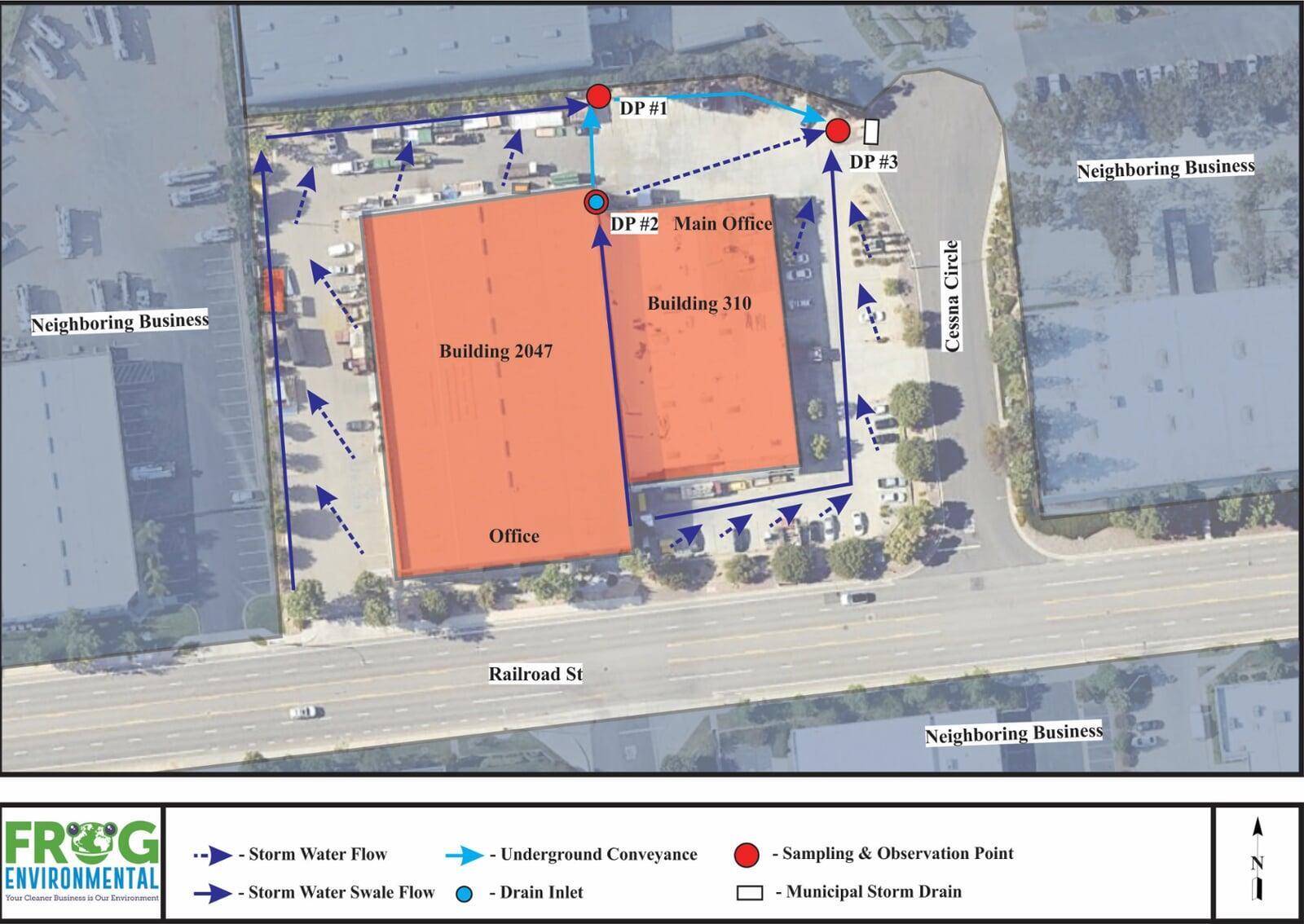
- Creating topographic maps of surface flow directions
- Identifying run-on “hotspots” with high volumes
- Prioritizing areas where water enters untreated
- Evaluating seasonal flow changes
A qualified stormwater specialist (e.g., a QISP) can help tailor controls to your site’s unique conditions.
Why Facilities Often Overlook Run-On
Stormwater compliance traditionally centers on discharge, but ignoring run-on can mask key pollutant pathways. Facilities without run-on strategies often rely on:
- BMPs sized for “expected” water volumes
- Controls focused on internal activities only
- Reactive responses after sampling surprises
Integrating run-on strategies shifts your program from reaction to prevention.
Real-World Impact: Run-On Reduction and Compliance Stability
Facilities that effectively manage run-on often report:
- Lower sediment and pollutant load entering BMPs
- Reduced risk of unexpected exceedances
- Greater confidence in sampling data
- Less strain on treatment systems
- Cleaner discharge entering receiving waters
Combining run-on control with BMP optimization and treatment technology offers a comprehensive compliance strategy that meets permit expectations and protects environmental quality.
Integrating Run-On Control Into Your Stormwater Plan
Here’s how run-on controls fit into your broader stormwater program:
- Assess your site topography and adjacent land use
- Design targeted perimeter controls
- Install and maintain run-on interceptors or diversions
- Integrate with other BMPs and treatment systems
- Document changes in your SWPPP
- Review before sampling season begins
By planning ahead, facilities can manage run-on early and reduce surprises in their compliance results.
Conclusion: Treat Run-On as Part of Your Compliance Strategy
Stormwater run-on may not originate from your operations, but it can still affect your stormwater quality results and permit performance. By proactively controlling off-site flows and integrating those strategies with your existing BMPs and treatment systems, you create a stronger, more defensible compliance program.
Whether you’re preparing for the next rainy season or planning upgrades, run-on control is one of the most impactful (yet overlooked) parts of effective stormwater management.