Enter your email to view this content
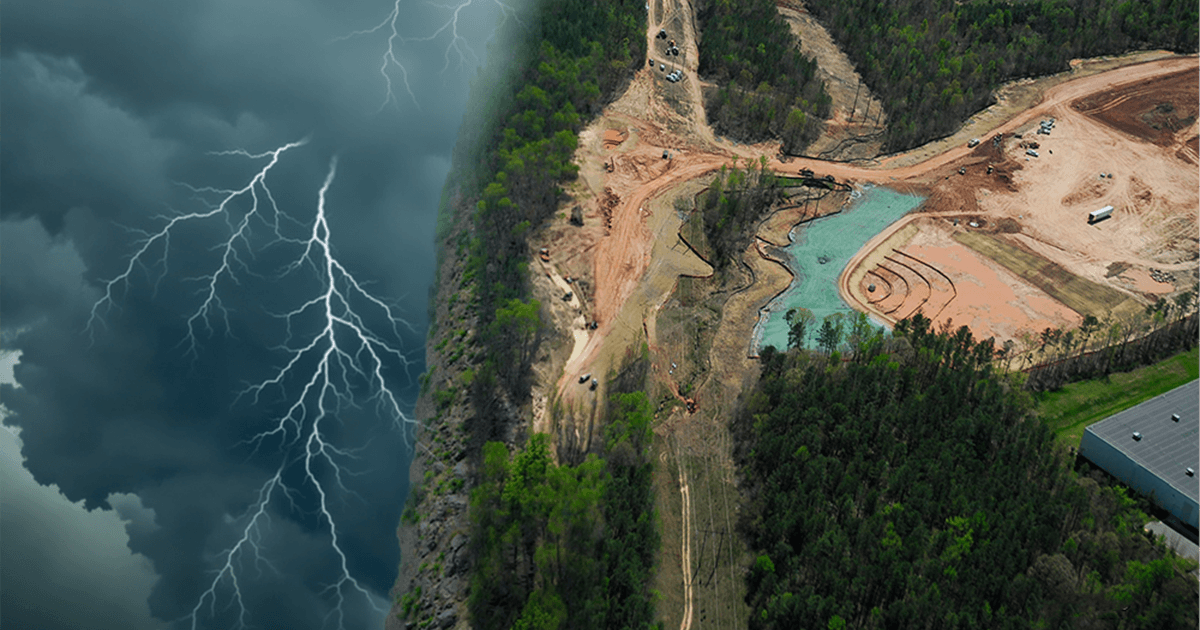
Stormwater management is a critical component of industrial site operations. Rainwater that flows across outdoor work areas can pick up pollutants and carry them into storm drains, nearby waterways, and municipal systems. Without stormwater management programs, this runoff can cause environmental harm and lead to costly regulatory violations.
With thoughtful planning, monitoring, and a proactive approach to Best Management Practices (BMPs), facilities can reduce or eliminate pollutant discharges and maintain compliance with federal and state stormwater regulations - avoiding costly enforcement actions and corrective measures.
What Is Stormwater Runoff?
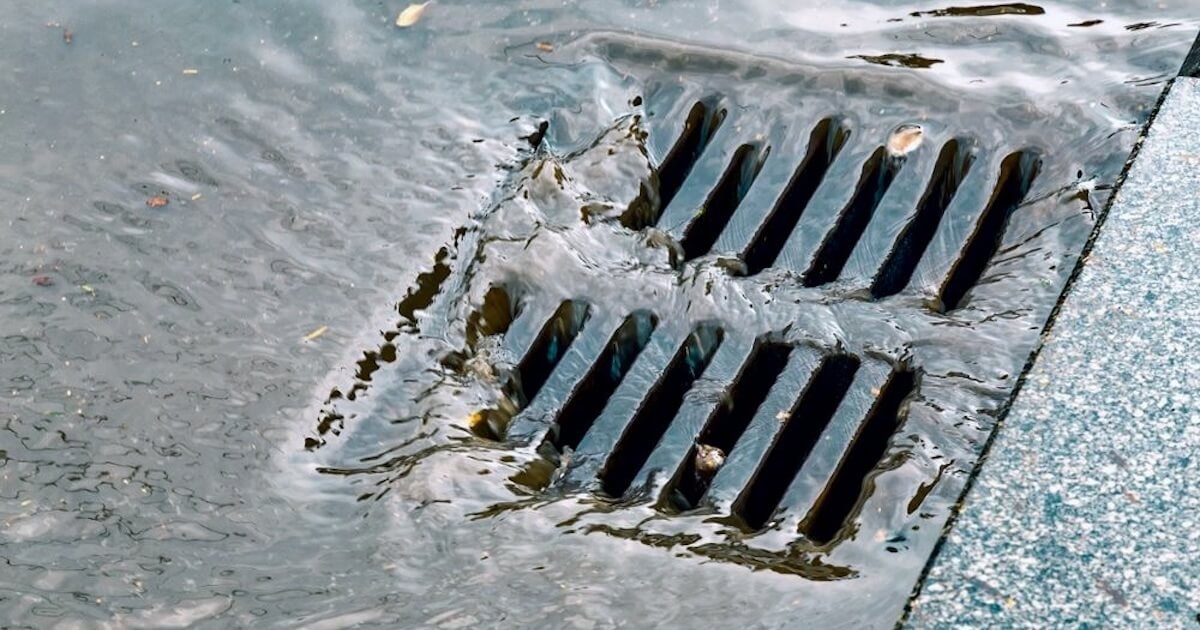
Stormwater runoff occurs when rainfall flows across surfaces such as pavement, rooftops, equipment yards, loading areas, and outdoor material storage areas. As the stormwater moves across these surfaces, it picks up pollutants commonly found in industrial environments.
Typical contaminants include:
- Sediment and suspended solids
- Oil and grease
- Heavy metals such as copper, zinc, and lead
- Trash and industrial debris
- Nutrients such as phosphates and nitrates
If these pollutants are left uncontrolled, they can flow out of the facility or enter storm drain systems, eventually discharging into rivers, lakes, or coastal waters. Because of this, stormwater runoff from industrial sites is regulated under environmental protection laws at the federal and state levels.
Effective stormwater management focuses on 2 approaches: preventing pollutants from contacting rainwater in the first place, or removing them before runoff leaves the facility.
Why Stormwater Management Matters
Industrial stormwater management protects both the environment and facility operations. A well-designed stormwater program helps facilities control runoff quality while meeting regulatory obligations.
Key benefits of proper stormwater management include:
- Maintaining compliance with stormwater permits and environmental regulations
- Preventing pollutant exceedances during stormwater sampling events
- Reducing contamination entering nearby waterways
- Avoiding enforcement actions, penalties, and third-party lawsuits
- Demonstrating environmental responsibility to regulators and local communities
Facilities that treat stormwater management as a routine operational priority experience fewer compliance issues and more consistent sampling results.
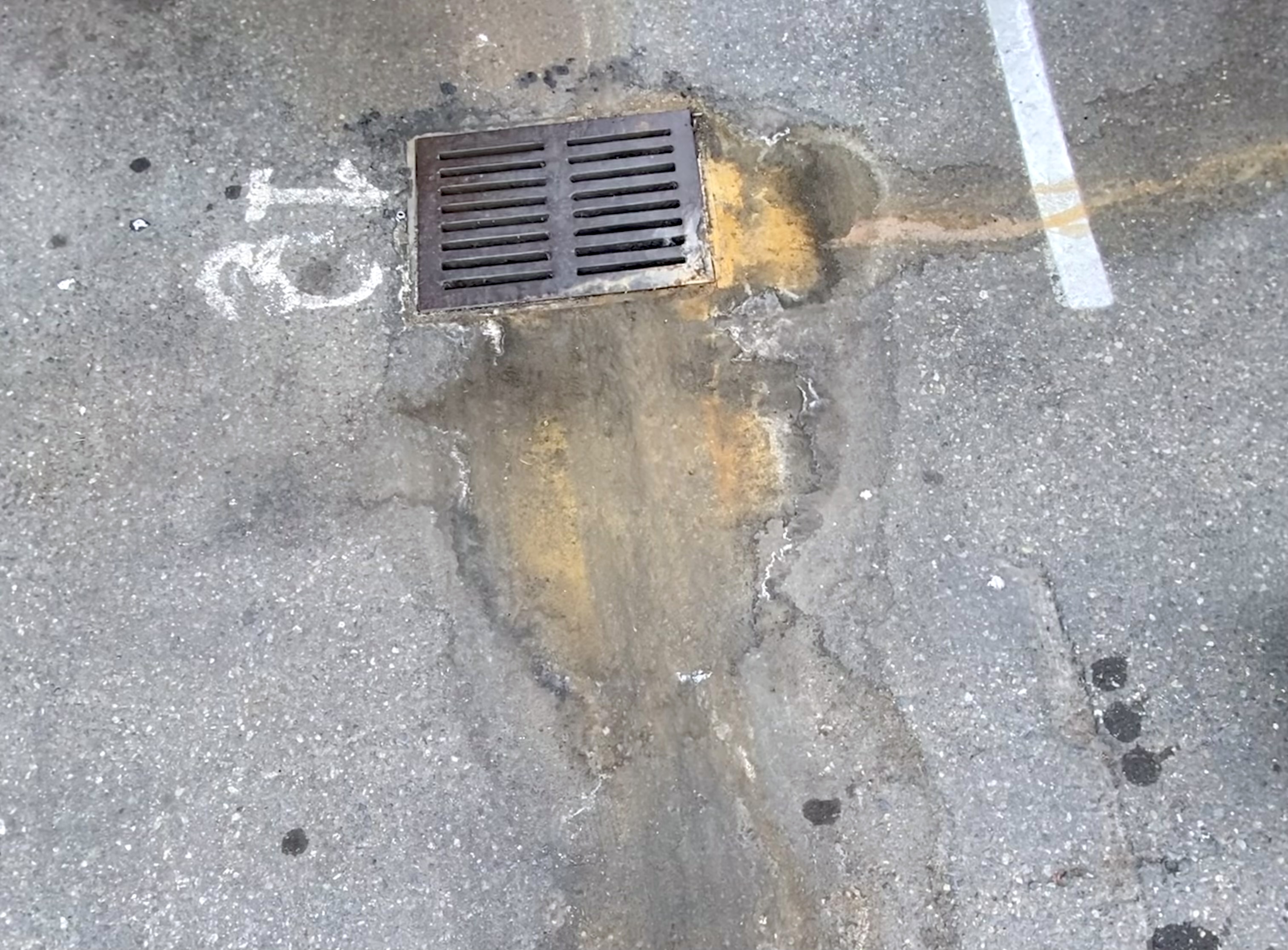
Common Stormwater Pollutants at Industrial Facilities
Different industries generate distinct stormwater pollutants, but certain contaminant types are common in industrial stormwater samples.
Total Suspended Solids (TSS)
Sediment from unpaved areas, material-handling activities, and equipment yards can be mobilized during rain events. TSS is one of the most common causes of permit exceedances and represents organic and inorganic solid particles—such as dirt, metals, and nutrients. When discharge limits are breached, it can degrade water quality, cloud receiving streams with elevated turbidity, and transport harmful pollutants into the local ecosystem.
Heavy Metals
Industrial operations such as metal recycling, waste transfer, manufacturing, and vehicle storage often contribute metals, including zinc, copper, aluminum, and lead, to stormwater runoff. Some metals like lead, copper, zinc, arsenic, and mercury do not degrade, but rather bioaccumulate. Once they exceed the receiving water limits, they accumulate in the food chain and cause severe damage to aquatic flora and fauna.
Oil and Grease
Vehicle maintenance areas, equipment storage yards, and fueling activities can introduce hydrocarbons into stormwater when proper controls are not in place. Spills or water discharges exceeding Total Petroleum Hydrocarbons (TPH) or Polycyclic Aromatic Hydrocarbons (PAHs) threaten aquatic life, suffocate benthic communities, and contaminate groundwater.
Industrial Debris
Outdoor operations may generate trash, scrap material, or fine particulate matter that can enter drainage systems during storms. Industrial debris in the environment causes severe ecological and economic damage. Physical waste alters habitats, inhibits human recreation, entangles wildlife, and causes starvation through false satiation.
Identifying pollutant sources within a facility is an important step in developing an effective stormwater management strategy.
Industrial Stormwater Best Management Practices (BMPs)
Best Management Practices are the operational controls and physical systems used to reduce pollutants in stormwater runoff. These BMPs can range from simple housekeeping improvements to advanced treatment technologies.
Source Control
The most effective stormwater strategy is preventing pollutants from contacting rainwater in the first place. This can include:
- Covering outdoor material storage
- Improving housekeeping and spill prevention practices
- Relocating sensitive activities indoors when possible
Sediment and Flow Control
Physical barriers and filtration devices can slow water movement and capture sediment before it leaves the site. Examples include:
- Perimeter controls
- Filter socks or wattles
- Drain inlet protection devices
Heavy Metal Filtration
Facilities with recurring metals exceedances often require specialized filtration media designed to remove dissolved metals from stormwater runoff. These systems are commonly used at:
- Scrap and recycling yards
- Metal fabrication facilities
- Vehicle storage, boatyards, and transportation yards
Hydrocarbon and Oil Control
Oil absorbents, carbon-based filtration media, and drain protection systems can help capture petroleum products before they enter stormwater discharge points.
Integrated Stormwater Treatment Systems
Many industrial facilities install treatment systems designed to target multiple pollutants simultaneously, including metals, oil and grease, and suspended solids. These installations can be particularly helpful for sites with heavy contaminant loads or recurring sampling exceedances.
Advanced systems, like those from Clear Water Services, can include a suite of intelligent features like automatic monitoring of influent and discharge water, automated alarm and recirculation functions, and data collection and transmission that provide comprehensive safeguards to facility owners.
Stormwater Permits and Compliance Requirements
Industrial stormwater discharges in the United States are regulated under the National Pollutant Discharge Elimination System (NPDES), established by the Clean Water Act.
Many states administer their own stormwater permits under the federal program, including state-run industrial stormwater programs in Washington, Oregon, California, and many other states and provinces.
Although permit structures vary, most industrial stormwater programs require facilities to maintain several core compliance elements:
- A Stormwater Pollution Prevention Plan (SWPPP)
- Routine site inspections and facility monitoring
- Stormwater sampling and laboratory testing
- Implementation of Best Management Practices
- Corrective actions if pollutant levels exceed permit benchmarks
Facilities must regularly review and update their stormwater programs to remain compliant with changing regulatory requirements.
Improving Stormwater Quality at Your Facility
Facilities experiencing stormwater exceedances often benefit from a more targeted stormwater management strategy. Identifying pollutant sources, improving BMP implementation, and evaluating treatment options can significantly improve stormwater sampling results.
Common improvement strategies include:
- Conducting facility stormwater assessments
- Upgrading filtration media and BMP systems
- Improving site drainage controls
- Installing stormwater treatment technologies designed for industrial runoff
Even small operational improvements can lead to measurable reductions in pollutant concentrations.
Managing Stormwater Risk
Stormwater management is ultimately about controlling pollution at its source. When facilities implement strong housekeeping practices, maintain effective BMP systems, and monitor stormwater discharge quality, they can significantly reduce environmental and regulatory risk.
A well-managed stormwater program protects surrounding waterways, supports regulatory compliance, and helps facilities operate more sustainably. For industrial operators, effective stormwater management is essential to long-term operational success.
If your facility is working through recurring exceedances or building a stormwater program from the ground up, Clear Water's team of water quality specialists is available to help identify turnkey solutions tailored to your site.
Regulatory References and Resources
United States Environmental Protection Agency – National Pollutant Discharge Elimination System (NPDES)
Washington State Department of Ecology – Industrial Stormwater General Permit
Washington Stormwater Permits and Information
Oregon Department of Environmental Quality – Industrial Stormwater Permit
Oregon Stormwater Permits and Information
California State Water Resources Control Board – Industrial General Permit