Enter your email to view this content
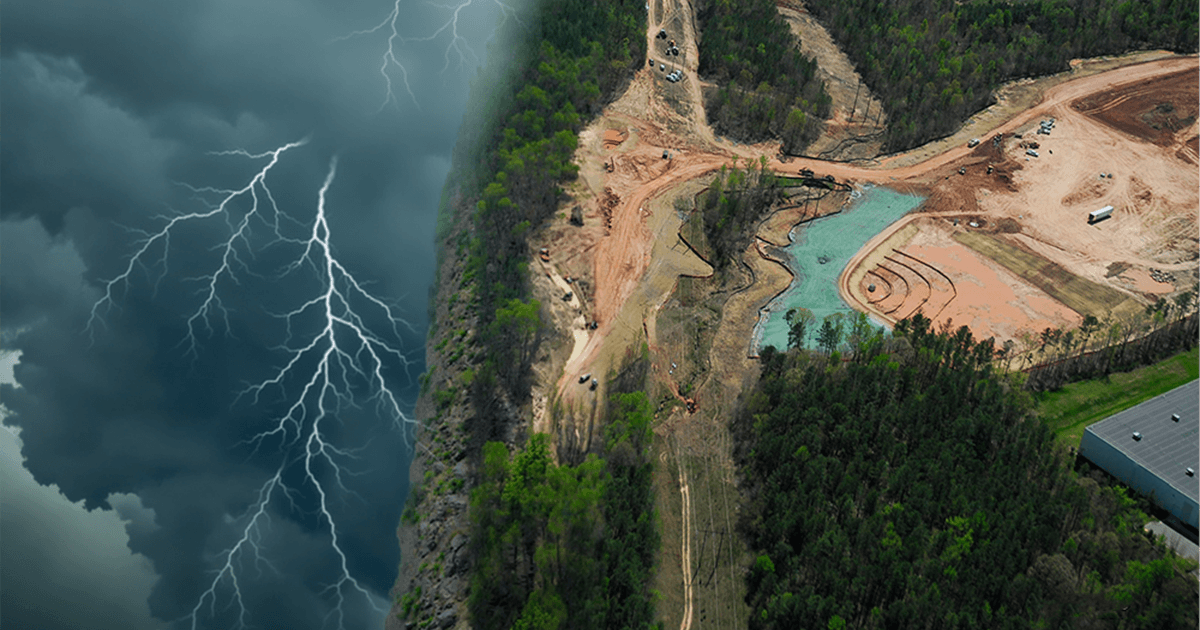
Clearing, grading, and excavation strip a site of the vegetation and topsoil that normally hold soil in place. When it rains, that exposed soil washes off site as sediment-laden runoff, carrying concrete washout, fuel, and other pollutants with it. Best management practices (BMPs) are how a construction site keeps that sediment on site, meets its stormwater permit, and avoids enforcement.
Below we cover what construction BMPs are, how each type works, and what it takes to install and maintain them over the life of a project.
What Are Construction BMPs?
BMPs are the physical controls and site practices used to prevent or reduce stormwater pollution. On a construction site, they range from a row of straw wattles on a slope to a full active treatment system running through the wet season.
Construction stormwater permits, such as Washington's Construction Stormwater General Permit (CSWGP), California's Construction General Permit (CGP), and Oregon's 1200-C, require sites to select BMPs and document them in a Stormwater Pollution Prevention Plan (SWPPP). The SWPPP shows which BMPs go where, when they are installed, and how they are inspected and maintained. Regulators hold the site to that plan.
What Do BMPs Do?
Construction BMPs work in layers. Each layer catches what the one before it missed.
Erosion control keeps soil from moving in the first place. Covering and stabilizing exposed ground with blankets, hydroseed, or mulch is the most effective way to reduce sediment, because soil that stays put never needs to be captured.
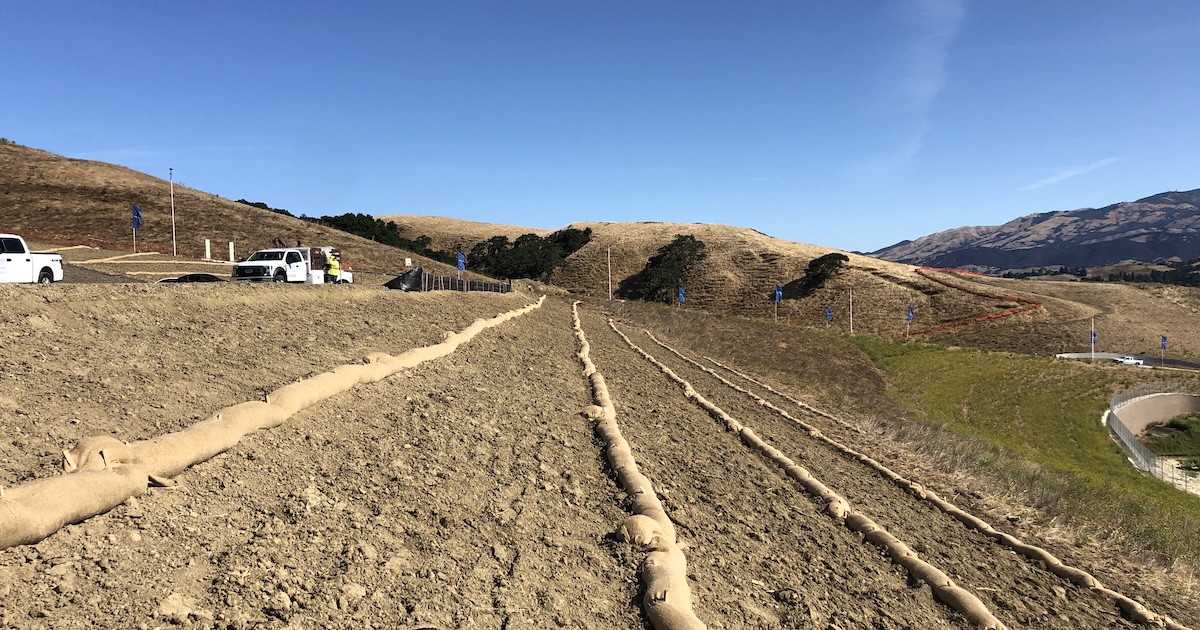
Sediment control captures soil that is already moving. Silt fence, wattles, and inlet protection slow runoff so sediment settles out before water leaves the site or enters a storm drain.
Tracking control keeps mud off public roads. Stabilized construction entrances remove sediment from tires before trucks leave the site.
Treatment removes what physical barriers can't. When runoff still exceeds turbidity or pH limits, filtration and active treatment systems clean the water before discharge.
Common Construction BMPs
Most sites use a combination of the controls below. The right mix depends on slope, soil type, drainage, and the permit's requirements.
Some sites also need wildlife exclusion fencing to keep protected species out of active work zones, with one-way gates that let animals leave without re-entering.
How Are BMPs Implemented?
BMPs follow the project from first ground disturbance to final stabilization. A typical sequence:
- Assess the site. Map drainage paths, slopes, soil types, storm drain inlets, and nearby water bodies to identify where sediment will move.
- Plan and document. Select BMPs for each risk area and write them into the SWPPP and erosion control plan.
- Install before disturbance. Perimeter controls, inlet protection, and the construction entrance go in before clearing and grading begin.
- Inspect on schedule. Permits set inspection frequency. In Washington, a Certified Erosion and Sediment Control Lead (CESCL) inspects weekly and within 24 hours of a discharge. In California, a Qualified SWPPP Practitioner (QSP) inspects weekly and before, during, and after rain events.
- Maintain and adjust. Clean out sediment, repair damaged controls, and add or move BMPs as grading changes the site. A silt fence that's buried or torn no longer counts.
- Stabilize disturbed ground. Permits set deadlines for covering exposed soil. Hydroseed, blankets, or mulch provide temporary or permanent cover.
- Close out. Once the site reaches final stabilization, remove temporary BMPs and file a Notice of Termination (NOT) to end permit coverage.
Maintenance is where most sites fall behind. Rain, equipment traffic, and changing grades wear down controls, and a BMP installed in spring may not be doing its job by fall.
What Happens When BMPs Fail?
Construction stormwater permits are issued under the Clean Water Act's National Pollutant Discharge Elimination System (NPDES). Sediment in runoff is the most common trigger for enforcement on construction sites, and regulators look at two things: what is leaving the site, and what the paperwork says.
Common violations include:
- Turbidity or pH results above permit benchmarks
- Sediment tracked onto public roads or washed into storm drains
- BMPs missing, damaged, or installed differently than the SWPPP shows
- Skipped or undocumented inspections
- Late or missing monitoring reports
Penalties under the Clean Water Act are assessed per violation, per day, and state agencies can add their own fines and stop-work orders. A site that exceeds benchmarks may also have to take corrective action, which can mean adding treatment equipment mid-project.
A well-maintained BMP plan and complete records are the best defense. If an inspector shows up after a storm, the site should match the SWPPP and the log book should show every inspection and repair.
How Clear Water Can Help
Clear Water handles construction BMPs from planning through closeout with one team and one point of contact. Our services include:
- Site assessment, BMP selection, and installation
- Daily, weekly, monthly, or on-call maintenance, including catch basin cleanout and storm damage repair
- Soil stabilization with hydroseed, hydromulch, bonded fiber matrix, and erosion control blankets
- QSD/QSP services in California and CESCL inspections, sampling, and DMRs in Washington
- SWPPP development, NOI and NOT preparation
- ATS/CESF design, installation, and operation when passive BMPs aren't enough
You run the site. We keep your BMPs deployed, maintained, and in compliance. Contact our team to get started.
For service details: Construction Erosion Control BMPs | Clear Water Services
Resources
These links are not owned or managed by Clear Water Services.
- Construction Stormwater General Permit | WA Ecology
- Construction General Permit | CA State Water Board
- 1200-C Construction Stormwater Permit | Oregon DEQ
- Construction BMP Handbook | CASQA
- NPDES | US EPA