Enter your email to view this content
BMP DEEP DIVE VOL. 5
How to Control pH Runoff at Industrial Facilities
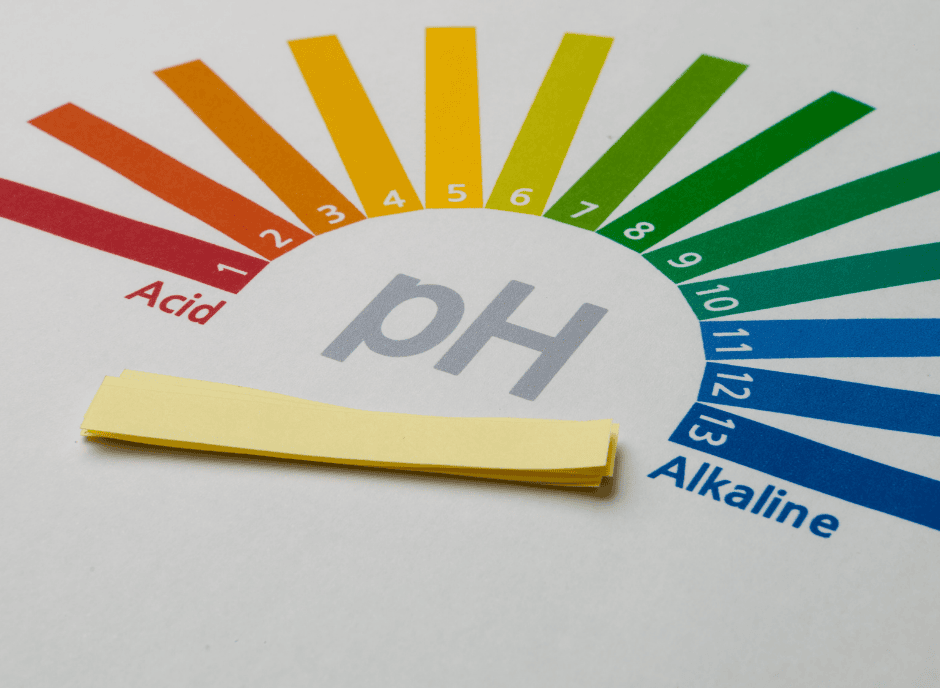
Whenit comes to industrial stormwater compliance, few parameters cause more confusion (or more surprise exceedances) than pH. Unlike metals or sediment, pH issues aren’t always visible. Runoff can look clean while still being far too acidic or too alkaline to meet permit standards.
In industries dealing with concrete, heavy equipment washwater, cleaning chemicals, or material storage, pH swings are common, and regulators pay close attention.Understanding where your site’s pH risks come from and how to neutralize them is essential for maintaining clean samples throughout the rainy season.
Why pH matters in stormwater compliance
pH affects how other pollutants behave. When runoff becomes too acidic or too alkaline, it can:
- Increase the solubility of metals (leading to higher copper, zinc, and iron results)
- Stress aquatic life and harm receiving waters
- Signal improper material handling or inadequate BMPs
- Trigger follow-up inspections or corrective actions
Under most industrial permits, the compliant pH range is narrow, meaning even small site conditions can cause out-of-range results.
Common industrial sources of pH issues
1. Concrete & Cementitious Materials (Alkaline Risk)
Concrete washout, dust, or leftover slurry can push pH well above 10.
Common culprits include:
- Concrete truck washout areas
- Saw cutting residue
- Cement and lime storage
- Concrete dust tracked around the yard
Even small amounts of residue near drains can elevate pH during a storm event.
2. Industrial Cleaning Chemicals (Acidic or Alkaline)
Detergents, degreasers, and solvents often have extreme pH ranges.
Risks are highest when:
- Cleaning is done outdoors
- Spill kits are not adequate
- Rinse water is not contained
- Employees wash equipment on uncontained pavement
3. Equipment & Vehicle Maintenance Areas
Leaking batteries, corrosive agents, and coolant can shift pH lower or higher depending on the chemical. These spills often go unnoticed until rain mobilizes them.
4. Material Storage & Waste Handling
Stored materials such as:
- Fertilizers
- Lime
- Ash
- Wood ash
- Metal-finishing waste
…can all contribute to acidic or alkaline runoff when exposed to rain.
pH-Control BMPs That Actually Work
1. Good Housekeeping & Containment
Before implementing advanced BMPs, ensure basics are covered:
- Keep washout areas covered and properly lined
- Immediately clean up dust, slurry, and spilled materials
- Store chemicals in covered, secondary-containment bins
- Use dedicated wash areas with full containment
These foundational steps prevent pH problems before they begin.
2. Neutralizing Media Filters (Drain Inserts & Socks)
Media designed for pH adjustment can:
- Neutralize alkaline concrete runoff
- Buffer acidic chemical residues
- Stabilize fluctuating pH during storms
These are ideal for sites with moderate but recurring pH swings.
3. Solid pH-Adjusting Flocculants
When solids + pH are both issues, solid flocculants can:
- Bind suspended solids
- Slowly release buffering agents
- Move runoff toward neutral pH
These are low-maintenance and suitable for areas with high sediment + alkalinity (e.g., concrete manufacturing).
4. Dedicated pH Treatment Systems
For facilities with chronic or high-volume pH problems (especially those processing concrete, manufacturing materials, or running large outdoor wash operations) treatment systems may be necessary.
Advanced systems can:
- Continuously monitor pH
- Automatically dose neutralizers
- Control discharge in real time
- Ensure that runoff entering drains is within regulatory limits
For sites with recurring pH exceedances, treatment systems provide the highest level of reliability and compliance assurance.
Sampling & Monitoring Best Practices
- Use pH paper or handheld meters during rain to spot problems early
- Map pH “hot spots” and test problem areas between storms
- Train employees on chemical use and washout protocols
- Evaluate new materials brought onsite for their pH impact
Catching issues before the next QSE saves time, money, and follow-up actions.
BOTTOM LINE
pH might be invisible, but its compliance impact is very real. Whether your risk is from concrete, chemicals, washwater, or material storage, staying ahead of pH fluctuations requires consistent housekeeping, the right neutralizing BMPs, and targeted treatment when necessary.
A proactive pH control plan protects your samples, your site, and your compliance standing all season long.