Enter your email to view this content
BMP DEEP DIVE VOL. 2
TSS AND SEDIMENT CONTROL 101
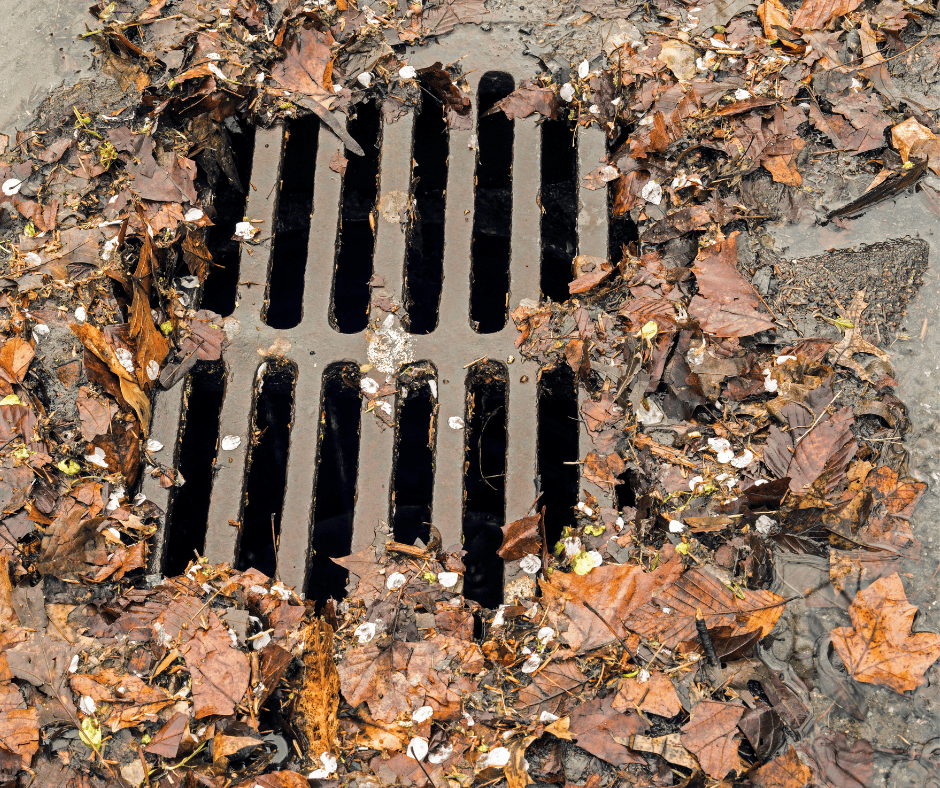
Of all the pollutants regulated under California’s Industrial General Permit (IGP), Total Suspended Solids (TSS) — or sediment and fine particulates — is one of the most visible and preventable. At industrial facilities, TSS doesn’t just come from bare soil or slopes. It comes from dust, tracked dirt, degraded stockpiles, and everyday operational areas.
TSS-laden runoff clouds stormwater samples, clogs drains, and signals to regulators that your Best Management Practices (BMPs) aren’t effective. By controlling TSS, facilities can avoid exceedances, reduce treatment costs, and demonstrate compliance from the very first storm of the season.
WHY TSS MATTERS FOR INDUSTRIAL STORMWATER
Sediment and TSS aren’t just dirt, they carry other pollutants and affect compliance directly:
- Metals & Nutrients: Fine particles often bind with zinc, copper, and other metals, or even phosphorus, increasing the risk of exceedances.
- Oils & Hydrocarbons: TSS can transport oily residues from equipment or vehicles.
- Trash & Debris: Sediment often accumulates with litter, making discharge appear dirtier.
- Turbidity: High TSS elevates turbidity, which can cause first-sample failures.
In short: uncontrolled TSS is a major contributor to failed stormwater samples and regulatory action.
BMPS FOR TSS CONTROL AT INDUSTRIAL FACILITIES
Effective TSS control requires a combination of source control, housekeeping, and treatment systems specifically designed for industrial sites:
- Wattles
Place around yard perimeters, drainage paths, or material storage areas to slow runoff and filter suspended solids. - Drain Inlet Protection
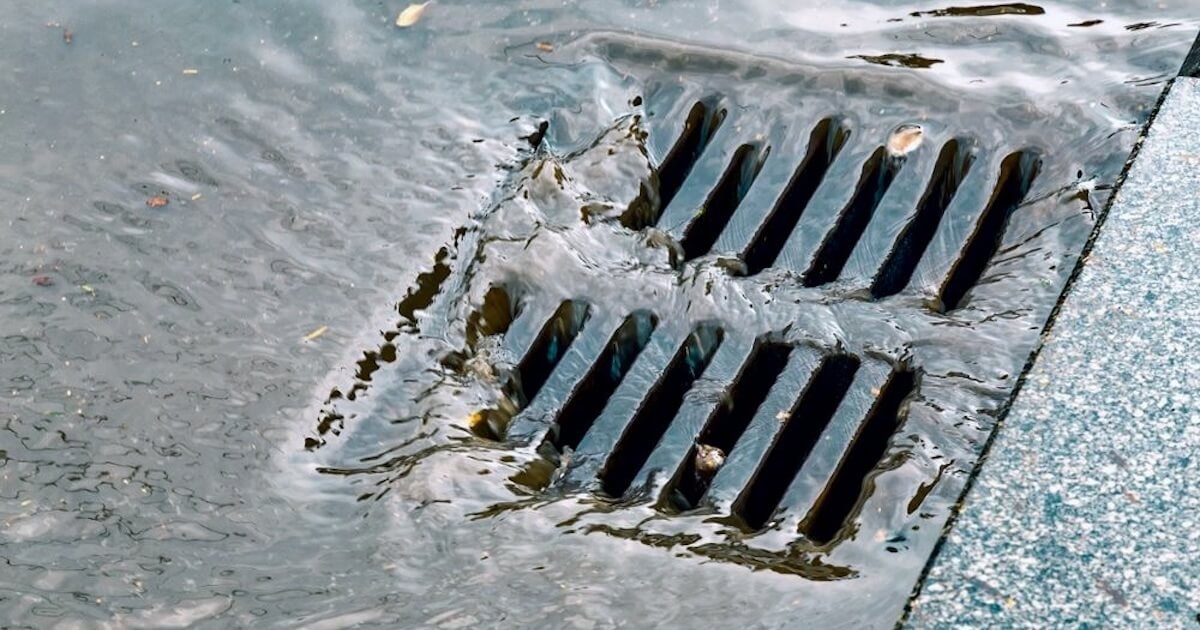
Install gravel bags, filter socks, or specialized inlet screens to trap TSS before it enters storm drains. - Solid Flocculants
Apply flocculant blocks or pillows in high-risk areas. These bind fine particles together, causing them to settle and improving sample clarity. - Treatment Systems
Industrial TSS treatment systems (such as clarifiers, sediment traps, or filtration units) actively remove suspended solids from runoff before it leaves your site. These are especially effective in equipment wash zones, high-traffic areas, or locations with persistent fine particulates. - Regular Site Maintenance
Sweep paved areas, cover or stabilize stockpiles, and clean around drains to prevent TSS from becoming mobile.
TIMING IS EVERYTHING
The first major storm of the season often delivers the “dirtiest” runoff, mobilizing months of dust, debris, and contaminants. Regulators pay especially close attention to first samples, and failing them can set the tone for your entire compliance year.
That’s why sediment control BMPs should be installed and active before the first rainfall. Once stormwater starts flowing, it’s too late to retrofit. Proactive BMP readiness helps protect your facility from exceedances, costly re-sampling, and Level 1 or Level 2 escalations.
BOTTOM LINE
For industrial facilities, TSS is one of the largest contributors to failed samples under the IGP. By implementing the right BMPs (from passive controls to advanced treatment systems) you can keep runoff clear, reduce pollutants, and build a strong foundation for a successful compliance season.