Enter your email to view this content
BMP DEEP DIVE VOL. 7
Keeping Trash Out of Stormwater
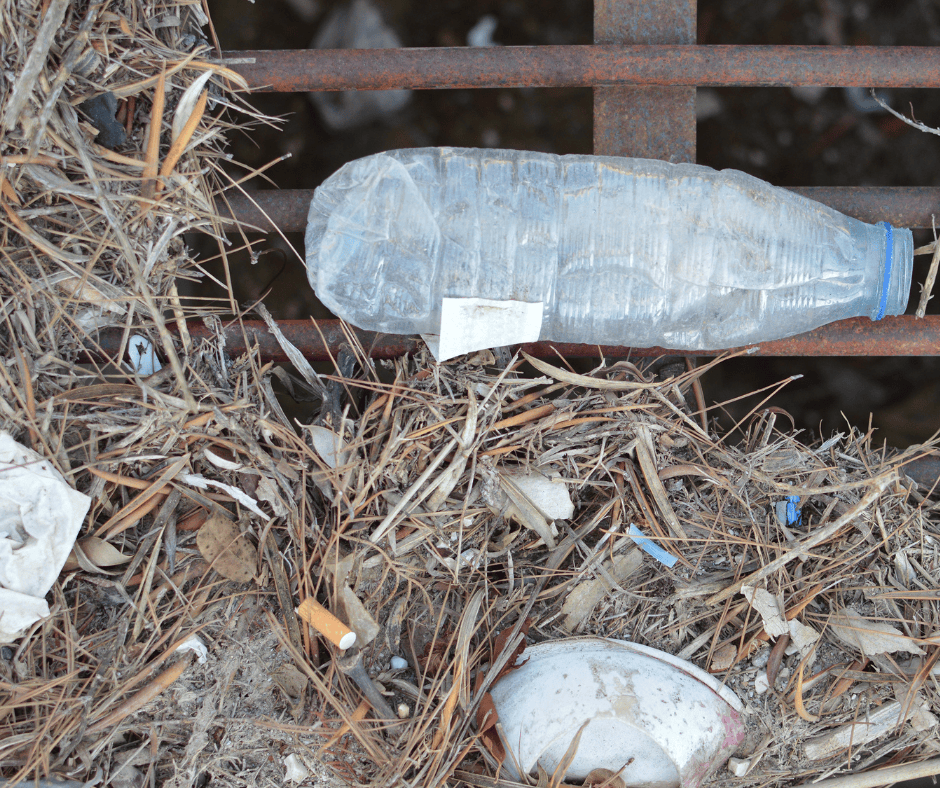
When industrial facilities think about stormwater compliance, attention usually goes to metals, sediment, oil and grease, or pH. But one of the most common and most visible compliance issues is often overlooked: trash and debris.
Bottles, wrappers, plastics, cigarette butts, and loose packaging don’t just look bad. They signal poor site control, weak BMP implementation, and a breakdown in basic housekeeping.
Why Trash and Debris Matter to Regulators
Trash and debris are considered “non-stormwater pollutants,” meaning they should never leave an industrial site. During inspections, visible debris in discharge areas, drainage pathways, or receiving waters is an instant red flag.
Regulators interpret debris as evidence of:
- Inadequate housekeeping practices
- Poor BMP maintenance
- Uncontrolled material handling
- A lack of employee awareness
Even if your analytical samples meet benchmarks, visible trash can still result in inspection findings, required corrective actions, or increased scrutiny.
Common Sources of Trash at Industrial Facilities
Trash and debris don’t usually come from a single event, they build up from everyday operations, including:
- Pallet wrap, strapping, and packaging materials
- Food and beverage waste from employee areas
- Cigarette butts near entrances and loading docks
- Broken pallets and scrap material
- Lightweight plastics and paper from dumpsters
- Windblown debris from neighboring properties
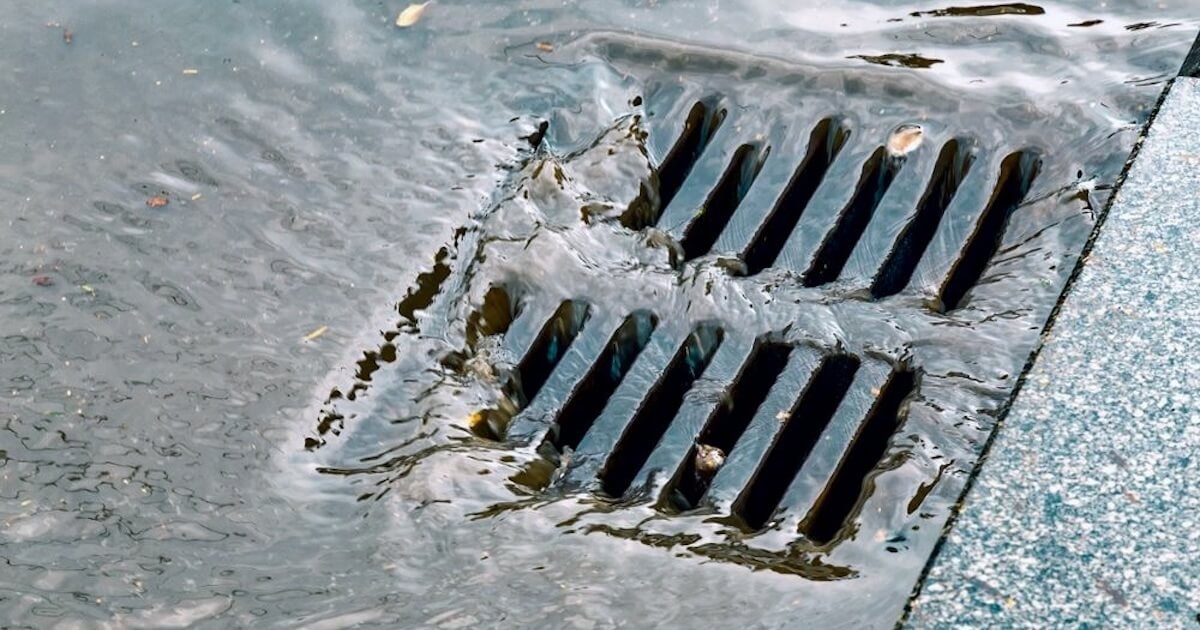
Once rain starts, this material quickly mobilizes and moves toward storm drains, catch basins, and outfalls.
Why Trash Causes Bigger Stormwater Problems
Trash does more than violate visual inspection standards. It can also:
- Block drains and create localized flooding
- Damage inlet protection and filters
- Increase sediment and pollutant loading
- Carry oils, chemicals, and residues attached to debris
In other words, trash magnifies other stormwater risks,turning a housekeeping issue into a system-wide problem.
BMPs That Effectively Control Trash and Debris
Trash control is one of the most cost-effective areas of stormwater compliance when addressed correctly.
Good Housekeeping BMPs
- Routine sweeping of paved and loading areas
- Daily or weekly site walk-throughs
- Wind-blown debris patrols after deliveries
- Clearly labeled trash and recycling areas
Structural BMPs
- Catch basin inserts
- Drain filters and inlet protection
- Screen wattles
- Trash racks in conveyance areas
Waste Management Controls
- Covered dumpsters with closed lids
- Secured waste bins and recycling containers
- Scheduled waste removal during rainy season
- Spill-proof compactors when possible
Employee Awareness
- Training employees on litter prevention
- Clearly posted housekeeping expectations
- Designated smoking areas with receptacles
Inspection and Maintenance Are Critical
Trash BMPs only work if they’re maintained. Full drain filters, overloaded catch basin inserts, and clogged screens can create backups and cause pollutants to bypass controls.
Facilities should:
- Inspect BMPs before and after storm events
- Document cleanouts and maintenance
- Replace damaged or missing BMPs immediately
- Track repeat problem areas and address root causes
Documentation matters! Maintenance records demonstrate active management and protect you during inspections.
Clean Site, Clean Samples, Fewer Headaches
Trash and debris are among the easiest stormwater pollutants to prevent, but also among the easiest to detect when ignored. A clean site sends a strong message to regulators that your stormwater program is working.
By controlling trash, facilities not only improve water quality but also reduce inspection findings, protect infrastructure, and present a professional image to customers, employees, and inspectors alike.
The Compliance Takeaway
If trash is leaving your site, something else is being missed too. Addressing trash and debris through housekeeping, structural BMPs, and employee engagement is a low-cost, high-impact step toward consistent stormwater compliance.
Clean pavement leads to clean runoff and fewer compliance surprises.